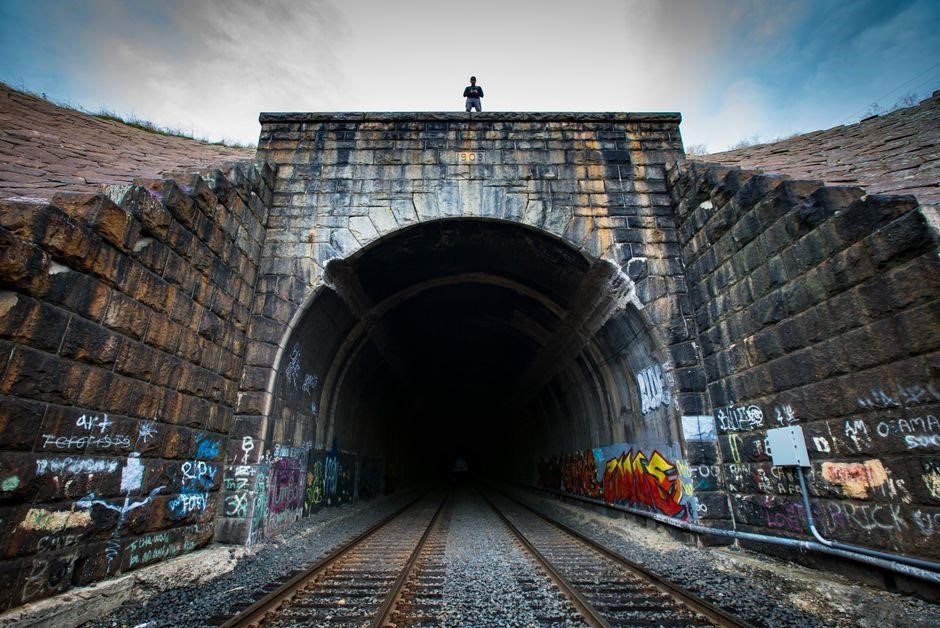

Colson Whitehead’s novel reimagines the historic escape network as a literal rail system‚ blending fact with fantastical elements to probe slavery’s legacy․ It invites readers to question memory‚ myth‚ and the cost of freedom․ Its blend of myth and history invites reflection on the past’s impact still!!
Overview of the Novel and Its Historical Context
Colson Whitehead’s 2016 novel‚ The Underground Railroad‚ reinterprets the clandestine escape network as a literal‚ subterranean rail system that carries enslaved people toward freedom․ Set in the ante‑bellum South‚ the story follows Cora‚ a young slave on a Georgia plantation‚ as she learns of the hidden tracks that run beneath the soil․ Whitehead intertwines historical fact with speculative fiction‚ using the train motif to explore the psychological and physical distances between bondage and liberation․ The novel’s narrative structure mirrors the journey itself: a series of stations‚ each with its own dangers and revelations‚ that test the protagonist’s resolve and humanity․ By framing the escape as a train ride‚ Whitehead invites readers to consider how memory‚ myth‚ and the collective imagination shape our understanding of slavery’s legacy․ The book’s vivid descriptions of the harsh Southern landscape‚ the oppressive plantation economy‚ and the desperate yearning for freedom ground the fantastical elements in a stark reality․ Scholars note that Whitehead’s work reflects the broader trend of reexamining American history through a lens that acknowledges both the brutality of the past and the resilience of those who endured it․ The novel’s publication sparked widespread discussion about the role of fiction in preserving historical memory‚ and it has become a staple in academic curricula that examine race‚ identity‚ and the American past․ Critics praise Whitehead’s lyrical prose and his ability to weave complex themes into an accessible narrative․ The novel’s ending‚ ambiguous yet hopeful‚ leaves readers contemplating the ongoing struggle for equality and the enduring power of stories to challenge entrenched narratives for future and hope․

Author Background: Colson Whitehead
Colson Whitehead‚ born 1969‚ is a Pulitzer‑winning novelist whose work spans history‚ science fiction‚ and satire․ Raised in New York‚ he studied at Columbia‚ later teaching at Yale․ His novels explore race‚ identity‚ and the American myth‚ blending humor with sharp social critique․ His work remains vital․ now․!!
Whitehead’s Literary Journey and Influences
Colson Whitehead’s literary path weaves through academia‚ journalism‚ and fiction‚ sharpening his narrative voice․ After earning a B․A․ from Columbia‚ he taught at Yale‚ where he cultivated a deep appreciation for historical nuance; His early essays in The New Yorker and The Atlantic showcased a keen eye for social satire‚ and his first novel‚ “The Intuitionist‚” blended speculative fiction with commentary on race and class․ Subsequent works—“The Fire Next Time” and “The Underground Railroad”—exhibit a fearless interrogation of American identity․ Influences range from the mythic storytelling of Toni Morrison to the structural daring of William Faulkner‚ and the philosophical depth of W․E․B․ Du Bois․ Whitehead’s style merges lyrical prose with rigorous research‚ creating immersive worlds that challenge readers to confront truths about history‚ memory‚ and the ongoing struggle for equity․ His commitment to blending rigorous scholarship with accessible narrative has earned him critical acclaim‚ including the Pulitzer Prize․ Whitehead’s influence extends beyond literature; his essays on race and politics have sparked dialogue in academic circles and popular media alike․ He often collaborates with scholars to contextualize his narratives‚ ensuring historical accuracy while maintaining artistic freedom․ Through workshops and public readings‚ he mentors emerging writers‚ emphasizing the importance of diverse perspectives in storytelling․ His work continues to inspire critical conversations about the past and present‚ inviting readers to examine the layers of oppression and resilience that shape America․

Plot Synopsis and Key Themes
Cora escapes slavery via a railroad‚ confronting brutal realities and symbolic journeys․ Themes of freedom‚ identity‚ and resistance intertwine‚ revealing oppression and personal resilience․ Whitehead’s narrative blends history with myth‚ urging reflection on legacy․!!

Exploring Freedom‚ Identity‚ and Resistance
In Whitehead’s narrative‚ freedom is portrayed as a complex‚ layered construct rather than a simple escape․ The protagonist‚ Cora‚ navigates a world where the literal railroad is a metaphor for the systemic barriers that enslaved people faced․ Her journey is marked by moments of brutal reality—such as the violent encounters with slave catchers and the psychological toll of constant vigilance—interspersed with fleeting glimpses of hope‚ like the brief‚ luminous moments of solidarity among fellow escapees․ These instances underscore the idea that freedom is not merely a destination but a continuous process of self‑definition and self‑assertion․
Identity in the novel is fluid‚ shifting with each new environment Cora encounters․ The motif of trains—each car representing a different social context—to illustrate how identity is reconstructed in the face of oppression․ As Cora moves from the South to the North‚ she adopts new names‚ learns new languages‚ and reimagines her own history‚ challenging static notions of self․
Resistance appears in physical acts—daring escapes‚ sabotage of the rail system—and in intellectual defiance‚ questioning imposed narratives․ Emotional resistance surfaces in quiet defiance‚ preserving stories‚ and maintaining dignity amid dehumanizing conditions‚ a quiet rebellion against oppression․
Whitehead’s train whistle motif reminds readers that freedom’s pursuit is now The novel urges a how slavery’s legacy shapes modern identity and resistance․

Character Analysis
Whitehead’s characters embody the struggle for autonomy․ Cora’s resilience‚ Cyrus’s quiet defiance‚ and the enigmatic conductor illustrate layered resistance‚ while the townsfolk reveal the pervasive fear that keeps the system alive․ The narrative weaves courage into memory!
Cora‚ Cyrus‚ and Supporting Figures
Cora‚ the novel’s protagonist‚ embodies the relentless pursuit of liberty‚ her journey a testament to the human spirit’s capacity to endure and resist․ Cyrus‚ her father‚ represents the quiet‚ often overlooked‚ internal rebellion that fuels collective action․ Together‚ they form a dynamic duo whose interactions illuminate the complex layers of agency‚ memory‚ and identity in the context of a society that commodifies freedom․
- Hannah‚ the former slave who becomes a mentor‚ demonstrates the power of shared knowledge and the importance of community in navigating perilous paths․
- Abraham‚ the conductor‚ personifies the hidden infrastructure that sustains the Underground Railroad‚ his enigmatic presence a reminder that liberation requires both visible and invisible support․
- Mrs․ T‚ a white abolitionist‚ showcases the moral ambiguity and risk involved for those who choose to defy the prevailing legal and social order․
- Jabari‚ a young runaway‚ illustrates the generational impact of oppression and the hopeful resilience that persists across time․
- Samuel‚ a former overseer turned ally‚ reflects internal conflict and the possibility of redemption within a system built on exploitation․
- Elena‚ a young woman in the network‚ embodies gender‚ race‚ and agency‚ challenging patriarchal structures that seek to silence her voice․
- Marcus‚ seasoned escapee‚ serves as living archive‚ weaving the collective memory into the fabric of the movement․
motif echoes hist weight․ Light and darkness contrast‚ echoing the tension between oppression and liberation․ Fire‚ water‚ and iron forge a visual lexicon that underscores resilience and peril․ Each motif echoes hist weight․ The journey’s rhythm‚ like a train’s clatter‚ compels hope to persist amid danger!

Railroad‚ Trains‚ and the Underground Motif
Whitehead’s narrative turns the clandestine network into a literal‚ iron‑bound artery that pulses through the American landscape․ The trains become vessels of hope‚ each carriage a microcosm of the collective yearning for emancipation․ The rhythmic clatter of wheels against rails mirrors the relentless march of history‚ while the hiss of steam evokes the breath of those who dared to flee․ The tracks‚ etched into the earth‚ symbolize the invisible lines that separate oppression from possibility․ In the novel‚ the railroad is both a physical and metaphysical conduit‚ a place where the past’s shadows are confronted and the future’s promise is forged․ The iron rails gleam under the sun‚ reflecting the harsh light of reality and the subtle glow of possibility․ The sound of the whistle‚ a mournful cry that rises and falls‚ becomes a call to arms for the enslaved‚ a signal that freedom is within reach․ The trains’ routes twist through forests‚ over rivers‚ and across cities‚ each landscape a chapter in the larger story of resistance․ The motif of the train is layered with symbolism: the locomotive’s engine‚ a powerful heart that propels the narrative forward; the carriages‚ compartments of shared experience; the tracks‚ a network that connects disparate lives into a unified struggle․ Whitehead uses the railroad to interrogate the idea of escape as both literal and figurative‚ suggesting that the path to liberation is paved with the same iron that once bound the enslaved․ The imagery of trains‚ tracks‚ and iron becomes a poetic device that underscores the novel’s themes of endurance‚ collective memory‚ and the relentless pursuit of liberty․ Each train ride is a microcosm of the larger fight‚ a reminder that the journey toward freedom is as much about the road as it is about the destination․ The iron rails‚ though forged in oppression‚ become a conduit for hope‚ reminding readers that infrastructure can be reclaimed․ Each whistle’s echo invites reflection on how the past’s scars can be transformed into a chorus of resilience‚ turning the very tracks of suffering into a path toward collective healing and renewed purpose․!!!??

Critical Reception and Awards
The novel received critical acclaim‚ winning the Pulitzer‚ National Book Award․ Critics praised Whitehead’s inventive blend of history and fiction‚ lauding its narrative and exploration‚ of slavery’s legacy․ The book sparked global discussions on memory and justice․
Harvard‚ Pulitzer‚ and Literary Impact
Whitehead’s novel has become a pivotal reference point in American literature‚ often cited in courses ranging from American history to creative writing․ Its layered structure—alternating between the literal underground railroad and a metaphorical journey—offers a terrain analysis‚ inviting scholars to examine the interplay between history and imagination․ The book’s reception at Harvard’s seminars has sparked lively debates about the ethics of storytelling and the responsibilities of authors when depicting trauma․ The Pulitzer Prize for Fiction‚ awarded in 2017‚ cemented the book’s status as a modern classic‚ while the National Book Award further underscored its literary excellence․ Critics praise the novel’s layered symbolism‚ noting how the railroad motif serves both as a literal escape route and as an allegory for the pursuit of freedom․ Comparative studies frequently juxtapose it with Toni Morrison’s “Beloved” and Alex Haley’s “Roots‚” revealing common threads of memory‚ trauma‚ and resistance․ Moreover‚ the book’s success has inspired a new wave of writers to experiment with genre boundaries‚ blending historical fact with speculative elements․ Its reception at major literary festivals and its inclusion in university curricula underscore its enduring relevance․ Critics argue that its success reflects a growing appetite for stories that confront America’s past while offering new perspectives on identity and freedom․ In sum‚ the novel’s recognition by prestigious institutions and its ongoing academic engagement underscore its lasting significance in the literary canon․

PDF Availability and Legal Considerations

Accessing the novel in PDF form requires careful attention to copyright law․ While some libraries offer legitimate digital copies‚ downloading from unauthorized sites infringes on the author’s rights․ Always verify the source before sharing or using the file․ Always verify publisher policy before download