

ACLS Study Guide 2023 PDF: A Comprehensive Plan
This guide synthesizes the latest 2023 AHA updates, focusing on medications, temperature control, PCI, and organ donation post-cardiac arrest.
It addresses gaps in diversity data within cardiac arrest research, offering a thorough resource for ACLS certification preparation.
Advanced Cardiovascular Life Support (ACLS) represents the highest level of resuscitation training, crucial for healthcare professionals responding to cardiac arrest or other life-threatening cardiovascular emergencies. This course builds upon Basic Life Support (BLS) skills, emphasizing the importance of effective teamwork, clear communication, and algorithmic approaches to patient care.
The 2023 updates to ACLS guidelines, as detailed in the American Heart Association’s focused update, reflect ongoing research and a commitment to improving patient outcomes. Approximately 700,000 individuals in the United States experience cardiac arrest annually, highlighting the critical need for proficient ACLS providers.
This study guide aims to provide a comprehensive overview of these updated guidelines, covering key areas such as cardiac arrest management, pharmacology, and post-cardiac arrest care. Furthermore, it acknowledges the importance of addressing diversity, equity, and inclusion within this critical field of medicine, alongside considerations for potential organ donation opportunities.
Understanding the 2023 AHA Guidelines Update
The 2023 American Heart Association (AHA) focused update on Adult Advanced Cardiovascular Life Support (ACLS) isn’t a complete overhaul, but rather a refinement of existing guidelines based on recent evidence. This update specifically addresses medication usage, temperature management strategies, the role of Percutaneous Coronary Intervention (PCI), and the potential for Extracorporeal Cardiopulmonary Resuscitation (ECPR) in select cases.
A key focus is on optimizing post-cardiac arrest care, including Targeted Temperature Management (TTM) to improve neurological outcomes. The update also acknowledges limitations in current research regarding diversity, equity, and inclusion within cardiac arrest populations, calling for more inclusive studies.
Furthermore, the guidelines recognize the potential for cardiac arrest patients to become organ donors, prompting consideration of this vital aspect within the resuscitation process. Understanding these nuances is crucial for effective ACLS implementation and improved patient survival rates.
Key Changes in the 2023 ACLS Guidelines
The 2023 AHA update highlights several key shifts in ACLS protocols. While the fundamental algorithms remain largely consistent, there’s increased emphasis on optimizing post-cardiac arrest care, particularly regarding temperature management and early consideration of PCI. The guidelines reinforce the importance of high-quality CPR as the cornerstone of resuscitation efforts.
A notable change involves a more nuanced approach to medication administration, with ongoing evaluation of epinephrine’s role. The update also stresses the need for improved data collection to address disparities in cardiac arrest outcomes across diverse populations.
Finally, the guidelines encourage proactive discussions about organ donation potential in appropriate cases, recognizing the opportunity to save lives through transplantation. These changes reflect a commitment to evidence-based practice and continuous improvement in ACLS care.
Importance of Regular ACLS Certification
Maintaining current ACLS certification is paramount for healthcare professionals responding to cardiac emergencies. The guidelines evolve based on the latest research, as evidenced by the 2023 AHA update focusing on post-cardiac arrest care and medication protocols. Regular certification ensures practitioners are equipped with the most effective, evidence-based techniques.
Consistent training reinforces critical skills like airway management, defibrillation, and pharmacological interventions, improving patient outcomes. It also fosters confidence and competence in high-stress situations. Furthermore, updated certification demonstrates a commitment to professional development and quality patient care.
Given the high incidence of cardiac arrest – affecting up to 700,000 annually in the US – ongoing ACLS proficiency is not merely recommended, but essential for saving lives.

The ACLS Algorithm: A Step-by-Step Approach
This section details the systematic approach to cardiac emergencies, incorporating 2023 AHA guidelines for resuscitation and post-arrest interventions.
It emphasizes rapid assessment, CPR, and appropriate medication use for optimal patient outcomes.
Cardiac Arrest Management
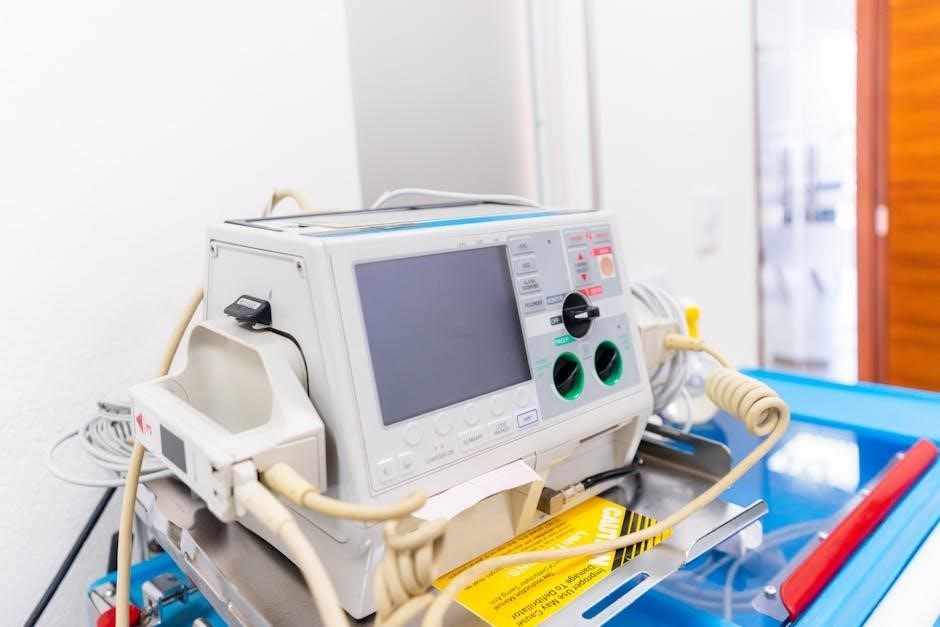
Effective cardiac arrest management, as outlined in the 2023 AHA guidelines, centers on immediate recognition and activation of the emergency response system. High-quality CPR forms the cornerstone of initial resuscitation efforts, prioritizing chest compressions and minimizing interruptions. The algorithm emphasizes early defibrillation for shockable rhythms – ventricular fibrillation (VF) and pulseless ventricular tachycardia (pVT) – while simultaneously addressing potential reversible causes.
Pharmacological interventions, including epinephrine and amiodarone, play a crucial role, guided by the patient’s rhythm and clinical presentation. Post-cardiac arrest care is equally vital, focusing on targeted temperature management to mitigate neurological damage and considering percutaneous coronary intervention (PCI) for suspected coronary artery disease. Furthermore, the guidelines acknowledge the potential for organ donation in these patients, prompting consideration of this option when appropriate.
The 2023 update highlights the importance of addressing diversity, equity, and inclusion in cardiac arrest care, recognizing data limitations in current research.

Initial Assessment and Activation of Emergency Response
The initial assessment in cardiac arrest is rapid and focused, prioritizing immediate activation of the emergency response system. This involves confirming unresponsiveness, checking for breathing, and simultaneously initiating pulse assessment. Prompt activation ensures timely arrival of advanced life support resources.
High-quality CPR should begin immediately if no pulse is detected, emphasizing chest compressions at a rate of 100-120 per minute and a depth of at least 2 inches. Airway management, including basic airway adjuncts, is crucial to maintain oxygenation.
The 2023 AHA guidelines stress the importance of a systematic approach to identify and address potential reversible causes of arrest – the “Hs and Ts” – including hypovolemia, hypoxia, hydrogen ion (acidosis), hypothermia, tension pneumothorax, tamponade, toxins, and thrombosis. Effective communication and teamwork are paramount throughout this initial phase.
CPR and Airway Management
High-quality cardiopulmonary resuscitation (CPR) remains the cornerstone of initial cardiac arrest management. The 2023 guidelines reinforce the importance of consistent chest compressions – a rate of 100-120 per minute and a depth of at least 2 inches – minimizing interruptions.
Effective airway management is critical to facilitate ventilation and oxygenation. Techniques include head-tilt/chin-lift and jaw-thrust maneuvers, alongside the use of airway adjuncts like oropharyngeal and nasopharyngeal airways.
Advanced airway techniques, such as endotracheal intubation, may be considered by trained personnel, but should not delay CPR initiation. Continuous waveform capnography is recommended to confirm proper endotracheal tube placement and monitor ventilation effectiveness. Maintaining a secure airway and adequate oxygenation are vital for successful resuscitation efforts.

Defibrillation and Shockable Rhythms
Prompt defibrillation is paramount for patients experiencing ventricular fibrillation (VF) or pulseless ventricular tachycardia (pVT). The ACLS guidelines emphasize minimizing the time to defibrillation, aiming for delivery within seconds of rhythm identification.
Biphasic defibrillators are generally preferred, with energy levels varying based on the device. Initial shock delivery should be followed by immediate resumption of CPR for two minutes. Subsequent shocks are administered based on rhythm analysis.
Effective defibrillation requires proper pad placement and ensuring no one is touching the patient during shock delivery. Post-shock CPR continues uninterrupted until a palpable pulse returns or another shockable rhythm is detected. Understanding shockable rhythms and rapid intervention are crucial for improving survival rates.
Ventricular Fibrillation (VF)
Ventricular fibrillation (VF) represents a chaotic heart rhythm, devoid of effective cardiac output, demanding immediate intervention. ACLS protocols prioritize rapid defibrillation as the cornerstone of treatment for VF.
The 2023 guidelines reinforce the importance of minimizing pauses in chest compressions, even during rhythm analysis and defibrillator charging. Following unsuccessful defibrillation, continue CPR for two minutes before reassessing the rhythm.
Epinephrine remains a vital adjunct therapy, administered every 3-5 minutes during CPR cycles. Amiodarone or lidocaine may be considered for refractory VF, but their use should not delay effective CPR and defibrillation. Recognizing VF quickly and implementing the ACLS algorithm is critical for patient survival.
Pulseless Ventricular Tachycardia (pVT)
Pulseless ventricular tachycardia (pVT) is another shockable rhythm requiring immediate action, mirroring the approach for ventricular fibrillation (VF). The ACLS algorithm dictates treatment with defibrillation, aiming to restore organized heart rhythm and palpable pulse.
Similar to VF, minimizing interruptions in high-quality chest compressions is paramount while preparing for and delivering shocks. Epinephrine administration remains a crucial component of pVT management, given every 3-5 minutes during ongoing CPR.
Amiodarone or lidocaine can be considered for refractory pVT, but should not supersede the fundamental steps of CPR and defibrillation. Prompt recognition and adherence to the ACLS protocol are essential for improving outcomes in patients experiencing pVT.

Non-Shockable Rhythms and Their Management
Focus shifts to high-quality CPR and medication for asystole and PEA, as defibrillation is ineffective; epinephrine is key.
Asystole Treatment
Asystole, the complete absence of electrical activity, demands immediate and sustained high-quality cardiopulmonary resuscitation (CPR). The 2023 AHA guidelines emphasize continued chest compressions while preparing for and administering epinephrine.
Epinephrine remains the primary drug for asystole, administered every 3-5 minutes, with consideration for higher doses if initial responses are lacking. However, it’s crucial to remember that epinephrine is not a guaranteed solution; effective CPR is paramount.
Avoid interrupting compressions for more than 10 seconds, even during rhythm checks or medication administration. The focus is on maintaining cerebral and myocardial perfusion until a perfusing rhythm can be restored. Further interventions, like identifying and treating reversible causes (the “Hs and Ts”), are vital alongside ongoing CPR and epinephrine.

The 2023 updates reinforce the importance of a systematic approach, prioritizing high-quality CPR and minimizing interruptions to maximize the chances of successful resuscitation in asystolic patients.
Pulseless Electrical Activity (PEA) Treatment
Pulseless Electrical Activity (PEA) signifies organized electrical activity without a palpable pulse, requiring immediate and aggressive intervention mirroring cardiac arrest protocols. High-quality CPR is the cornerstone of PEA management, minimizing interruptions for assessment or interventions.
Similar to asystole, epinephrine is the primary pharmacological intervention, administered every 3-5 minutes. Simultaneously, a focused search for and treatment of reversible causes – the “Hs and Ts” – is critical. These include Hypovolemia, Hypoxia, Hydrogen ion (acidosis), Hypo/Hyperkalemia, Hypothermia, Tension pneumothorax, Tamponade, Toxins, and Thrombosis (pulmonary or coronary).
Effective communication and a coordinated team approach are essential to rapidly identify and address potential underlying causes. The 2023 guidelines emphasize a systematic evaluation alongside continued CPR and epinephrine administration.
Remember, PEA is not a rhythm to be “fixed” with shocks; it’s a sign of underlying physiological failure demanding prompt and comprehensive management.

ACLS Pharmacology
ACLS relies on key medications like epinephrine, amiodarone, and potentially lidocaine, guided by the 2023 AHA updates for optimal patient outcomes.
Understanding dosages and administration is crucial for effective cardiac arrest and arrhythmia management during resuscitation efforts.
Essential ACLS Medications
ACLS protocols heavily depend on the timely and correct administration of several vital medications. Epinephrine remains foundational, used for its vasoconstrictive and alpha-adrenergic properties to increase cardiac output and blood pressure during cardiac arrest situations. Amiodarone, an antiarrhythmic, is crucial for refractory ventricular fibrillation (VF) or pulseless ventricular tachycardia (pVT) when initial defibrillation attempts fail.
Lidocaine serves as an alternative antiarrhythmic, though amiodarone is generally preferred due to its broader effectiveness. The 2023 AHA guidelines emphasize precise dosage calculations and administration techniques for each drug, considering patient-specific factors. Furthermore, understanding the potential side effects and contraindications of these medications is paramount for safe and effective ACLS care.
Beyond these core drugs, other medications like atropine and vasopressin may be utilized in specific scenarios, guided by the patient’s rhythm and clinical presentation. A thorough grasp of ACLS pharmacology is, therefore, indispensable for successful resuscitation efforts.
Epinephrine: Dosage and Administration
Epinephrine is a cornerstone of ACLS, administered during cardiac arrest to enhance myocardial and cerebral perfusion. The standard dosage is 1 mg IV/IO push every 3-5 minutes, repeated as needed. Healthcare providers must be proficient in calculating correct dosages based on patient weight, although weight-based dosing is less emphasized in emergency situations.
For patients with refractory shock, epinephrine infusion may be considered, titrated to maintain a mean arterial pressure (MAP) of ≥65 mmHg. Close monitoring of vital signs is crucial during infusion to avoid excessive vasoconstriction and potential adverse effects.
Proper administration technique, including flushing the IV line before and after injection, is essential. Understanding the drug’s mechanism of action – primarily alpha-adrenergic stimulation – helps anticipate its physiological effects. The 2023 guidelines reinforce the importance of early and repeated epinephrine administration in improving resuscitation outcomes.
Amiodarone: Dosage and Administration
Amiodarone, an antiarrhythmic, is indicated for refractory ventricular fibrillation (VF) or pulseless ventricular tachycardia (pVT) unresponsive to defibrillation. The initial dose is 150 mg IV/IO push over 3-5 minutes, followed by a maintenance infusion of 1 mg/minute for the first six hours.
Careful monitoring for hypotension and prolonged QT interval is paramount during amiodarone administration. Healthcare professionals should be aware of potential drug interactions, particularly with other QT-prolonging medications.
The 2023 AHA guidelines continue to support amiodarone’s role in select cases, but emphasize the importance of considering alternative antiarrhythmics like lidocaine if amiodarone is unavailable or contraindicated. Proper dilution and administration technique are crucial to minimize adverse effects and maximize therapeutic benefit during resuscitation efforts.
Other Important Medications (e.g., Lidocaine)

While amiodarone remains a cornerstone, lidocaine serves as a viable alternative antiarrhythmic for refractory VF/pVT, particularly when amiodarone is inaccessible. The initial lidocaine dose is 1-1.5 mg/kg IV/IO, potentially repeated every 5-10 minutes, up to a maximum of 3 mg/kg.
Vasopressors, like norepinephrine and dopamine, are crucial for managing hypotension during cardiac arrest. Norepinephrine is generally preferred due to its more predictable effects on blood pressure.
Sodium bicarbonate may be considered for patients with known severe metabolic acidosis, but its routine use is not recommended. The 2023 updates emphasize a focused approach, prioritizing high-quality CPR and timely defibrillation alongside appropriate pharmacological interventions to optimize patient outcomes.

Post-Cardiac Arrest Care
Following successful resuscitation, prioritize targeted temperature management, consider PCI for eligible patients, and evaluate potential organ donation opportunities.
Optimizing care post-arrest is vital for improving neurological outcomes and long-term survival rates.
Targeted Temperature Management
Targeted Temperature Management (TTM), specifically therapeutic hypothermia, remains a crucial component of post-cardiac arrest care, as highlighted in the 2023 AHA guidelines. The goal is to maintain a core temperature between 32°C and 36°C (89.6°F and 96.8°F) for 24 hours.
This practice aims to reduce metabolic demand, minimize neurological injury, and improve overall outcomes after return of spontaneous circulation (ROSC). Initiation should occur as quickly as possible after ROSC, utilizing methods like endovascular cooling devices or surface cooling techniques.
Continuous monitoring of core temperature is essential, alongside management of potential complications such as shivering, electrolyte imbalances, and coagulopathies. While the optimal temperature within the range is still debated, current recommendations emphasize avoiding hyperthermia during the cooling and rewarming phases. TTM is not universally indicated and should be applied based on individual patient assessment and clinical judgment.
Percutaneous Coronary Intervention (PCI)
The 2023 AHA guidelines continue to support Percutaneous Coronary Intervention (PCI) as the preferred reperfusion strategy for eligible patients experiencing out-of-hospital cardiac arrest (OHCA) with a suspected coronary etiology. Prompt PCI, when feasible, can significantly improve survival and neurological outcomes.
However, the guidelines emphasize that PCI should not delay time to care, and it’s most beneficial when performed within 12-24 hours of ROSC. Patients presenting with STEMI-equivalent changes on ECG are prime candidates for immediate PCI.
For patients without clear evidence of acute coronary syndrome, a risk stratification approach is recommended to determine the need for coronary angiography. Factors considered include hemodynamic stability, ECG findings, and cardiac biomarkers. The decision to proceed with PCI should be individualized, balancing the potential benefits against the risks and logistical challenges.
Organ Donation Considerations
The 2023 AHA focused update highlights the potential for cardiac arrest patients to become organ donors, addressing a critical need for transplantable organs. This is particularly relevant given the high number of individuals awaiting life-saving transplants.
The guidelines encourage early consideration of organ donation in patients with irreversible cardiac arrest, aligning with ethical and legal frameworks. Collaboration between resuscitation teams and organ procurement organizations is crucial for a streamlined process.
It’s important to note that donation should not compromise resuscitation efforts, and established protocols must be followed. The update acknowledges the sensitive nature of this topic and emphasizes the importance of respectful communication with families. Exploring this avenue can offer a meaningful legacy in the face of tragic loss.