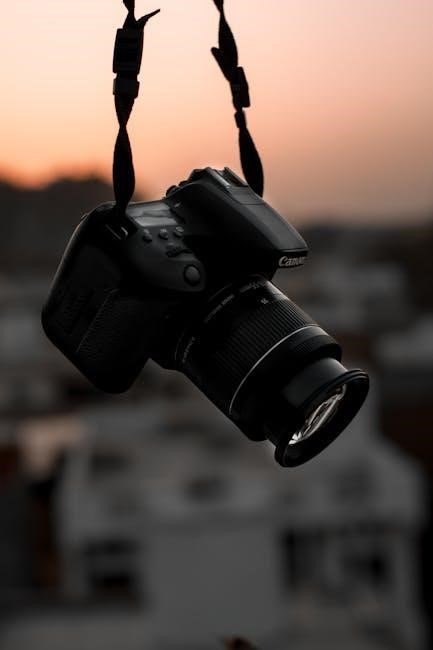
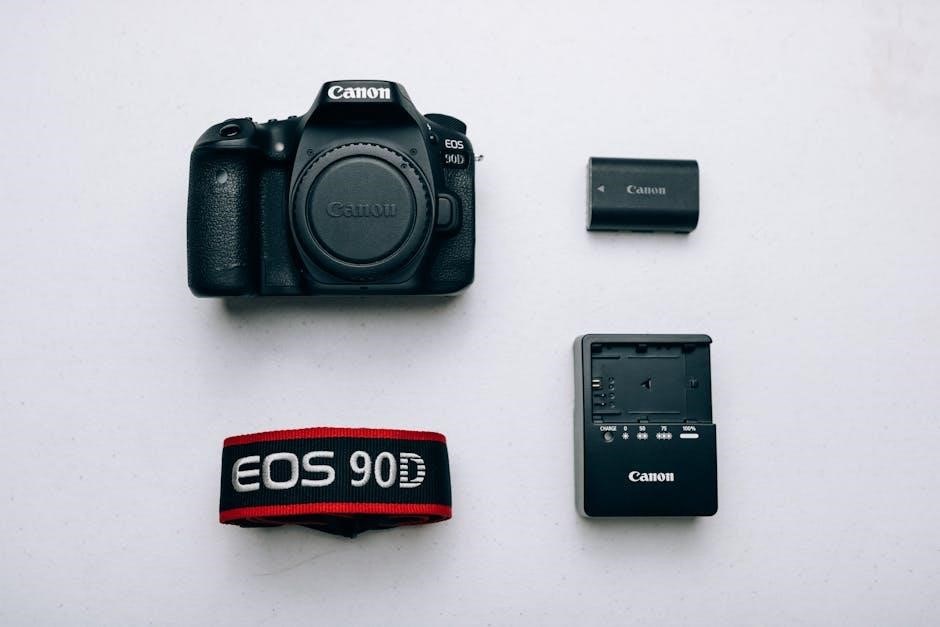
The Canon 80D is a versatile DSLR‚ offering a blend of performance and features for both photography enthusiasts and videographers․ This guide will help you master its capabilities․
What is the Canon 80D?
The Canon 80D is a sophisticated Digital Single-Lens Reflex (DSLR) camera designed for a wide range of photographic and videographic applications․ Released as a successor to the 70D‚ it boasts a 24․2-megapixel APS-C CMOS sensor and a powerful 45-point all cross-type autofocus system․
This camera excels in both still photography and video recording‚ offering features like Dual Pixel CMOS AF for smooth and accurate focusing during video․ It’s a popular choice for enthusiasts and semi-professionals seeking a robust and feature-rich camera body capable of delivering high-quality results in diverse shooting scenarios․
Key Features and Specifications
The Canon 80D features a 24․2MP APS-C CMOS sensor and DIGIC 6 Image Processor‚ enabling high-resolution images and excellent low-light performance․ It boasts a 45-point all cross-type AF system with 7560 individually selectable AF positions․
Video capabilities include Full HD 1080p recording at up to 60fps․ The camera also incorporates a 3․0″ Vari-Angle Touchscreen LCD and a robust build quality․ Connectivity options include Wi-Fi and NFC․ Its ISO range is 100-16000 (expandable to 25600)‚ and it supports continuous shooting at up to 7 fps․
Understanding the Camera Body
The Canon 80D’s body is designed for comfortable handling and intuitive control‚ providing access to essential settings for a seamless shooting experience․
Front Panel Overview
The Canon 80D’s front panel houses key controls for a streamlined shooting process․ You’ll find the lens release button‚ essential for swapping lenses quickly and securely․ The depth-of-field preview button allows you to visualize the final image with selected aperture․ Adjacent to the lens mount is the focus selection switch‚ enabling quick toggling between autofocus and manual focus modes․
Furthermore‚ the front panel incorporates the remote control receiver for wireless triggering and the microphone input for external audio recording․ Understanding these elements is crucial for efficient operation and maximizing the camera’s potential․
Rear Panel Overview
The rear panel of the Canon 80D is dominated by the large‚ vari-angle touchscreen LCD‚ offering flexible viewing and intuitive control․ Surrounding the screen are essential buttons for navigating menus‚ adjusting settings‚ and reviewing images․ The Multi-controller allows precise point selection for autofocus and quick adjustments․
You’ll also find dedicated buttons for Live View shooting‚ autofocus point selection‚ and image playback․ The ‘Info’ button displays crucial shooting information‚ while the ‘Menu’ button accesses the camera’s extensive settings․ This layout prioritizes accessibility and efficient workflow․
Top Panel Overview
The Canon 80D’s top panel houses the main control dials for adjusting shooting settings․ A prominent mode dial allows quick selection of shooting modes like Program‚ Aperture Priority‚ Shutter Priority‚ and Manual․ The power switch encircles the shutter button for immediate access․
Nearby‚ you’ll find the control dial for changing aperture‚ shutter speed‚ or exposure compensation‚ depending on the selected shooting mode․ A dedicated button activates the autofocus system‚ and another provides access to white balance settings․ This arrangement offers direct‚ hands-on control․
Bottom Panel Overview
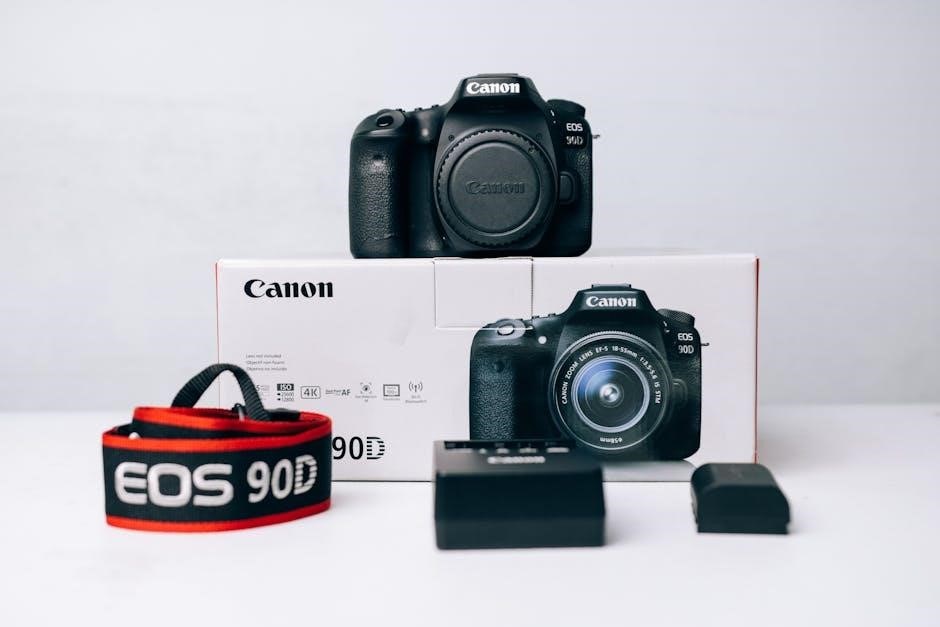
The Canon 80D’s bottom panel primarily focuses on battery access and tripod mounting․ A securely latched battery compartment door allows for quick battery changes and memory card access․ The tripod socket is centrally located for balanced support when using a tripod‚ ensuring stability during long exposures or video recording․
You’ll also find the contact points for the optional BG-E14 battery grip‚ which extends shooting time and provides additional controls․ This panel is designed for practical functionality‚ prioritizing ease of access for essential camera maintenance and support․
Setting Up Your Canon 80D
Proper setup is crucial for optimal performance․ Begin by inserting a compatible battery and memory card‚ then configure the initial settings like date and time․
Inserting the Battery and Memory Card
To begin‚ locate the battery compartment door on the bottom of the Canon 80D․ Release the latch and insert the LP-E6N battery pack‚ ensuring the gold contacts align․ Securely close the compartment door․ Next‚ find the memory card slot‚ also on the bottom․
Gently push a compatible SD card (SDHC or SDXC UHS-I) into the slot until it clicks․ Avoid forcing it! To remove the card‚ gently press it in once more to release it․ Always handle the memory card with care to prevent data corruption․ Proper insertion ensures reliable camera operation․
Initial Camera Setup (Date‚ Time‚ Language)
Upon powering on the Canon 80D for the first time‚ the setup screen will guide you through essential settings․ First‚ select your preferred language from the displayed list using the directional buttons and pressing the SET button․
Next‚ accurately set the date and time; Incorrect settings will affect image timestamps․ Use the buttons to adjust the year‚ month‚ day‚ hour‚ and minute‚ confirming each selection with SET․ Ensure daylight saving time is correctly configured if applicable․ These initial settings are crucial for proper camera functionality․
Menu Navigation and Customization
The Canon 80D’s menu system is accessed via the MENU button․ It’s organized into tabs – Shooting‚ AF‚ Exposure‚ Quality‚ Setup‚ and Custom Functions – for easy navigation․ Use the directional buttons to highlight options and press SET to enter submenus․
Customization is key! Explore the Custom Functions menu to tailor the camera to your shooting style․ You can reassign buttons‚ adjust autofocus behavior‚ and modify display settings․ Regularly reviewing and adjusting these settings will optimize your workflow and enhance your photographic experience․
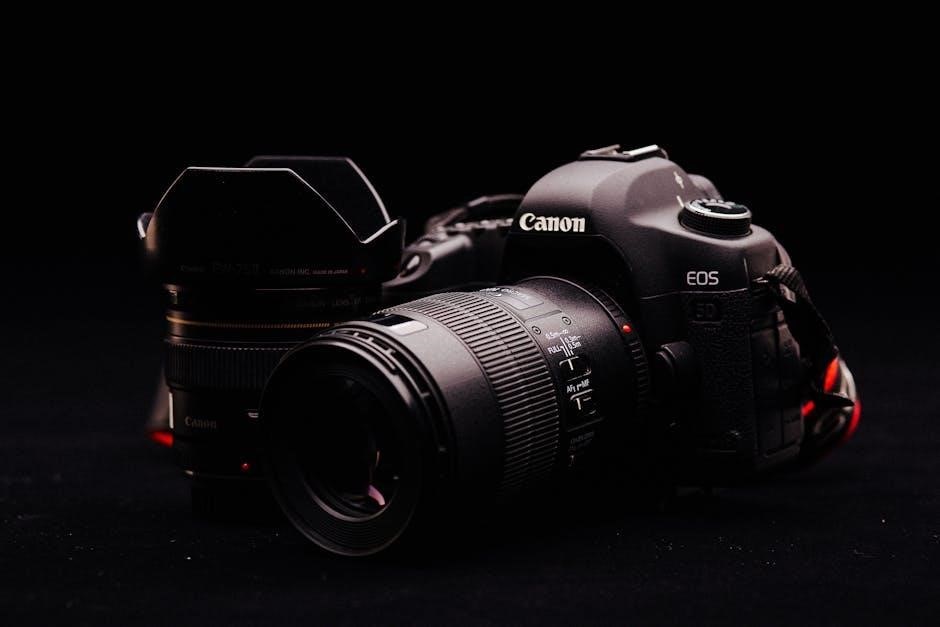
Focusing and Shooting Modes
The Canon 80D offers a range of autofocus modes and shooting options‚ allowing precise control over image capture and adapting to diverse photographic scenarios․
Autofocus Modes Explained
The Canon 80D boasts a sophisticated autofocus (AF) system with various modes tailored for different shooting situations․ One-Shot AF is ideal for stationary subjects‚ locking focus when the shutter button is half-pressed․ AI Servo AF continuously tracks moving subjects‚ maintaining focus as they change position – perfect for sports or wildlife․ AI Focus AF intelligently switches between One-Shot and AI Servo․
Additionally‚ the 80D features face detection and tracking‚ enhancing portrait photography․ Zone AF allows you to select an AF point area‚ while Large Zone AF utilizes a wider area for quicker subject acquisition․ Understanding these modes is crucial for achieving sharp‚ well-focused images consistently․
Manual Focus Techniques
While the Canon 80D’s autofocus is excellent‚ mastering manual focus (MF) provides greater control and precision‚ especially in challenging conditions․ Utilize Live View and zoom in to 5x or 10x for critical sharpness assessment․ The focus peaking feature highlights in-focus areas‚ aiding precise adjustments․
Rotate the focus ring on your lens until the desired subject appears sharp on the LCD screen․ Practice makes perfect! MF is invaluable for macro photography‚ astrophotography‚ or when autofocus struggles with low contrast or complex scenes․ Remember to switch back to AF when appropriate for faster shooting․
Drive Modes (Single‚ Continuous‚ Self-Timer)
The Canon 80D offers several drive modes to suit various shooting scenarios․ Single shooting mode captures one image each time the shutter button is fully pressed – ideal for posed portraits or landscapes․ Continuous shooting mode (High or Low speed) captures multiple frames per second‚ perfect for action or sports photography․
The Self-Timer mode allows a delay (2 or 10 seconds) before the shutter fires‚ useful for group photos where you want to be included; Explore these options via the drive mode dial on the camera’s top panel to optimize your shooting experience․
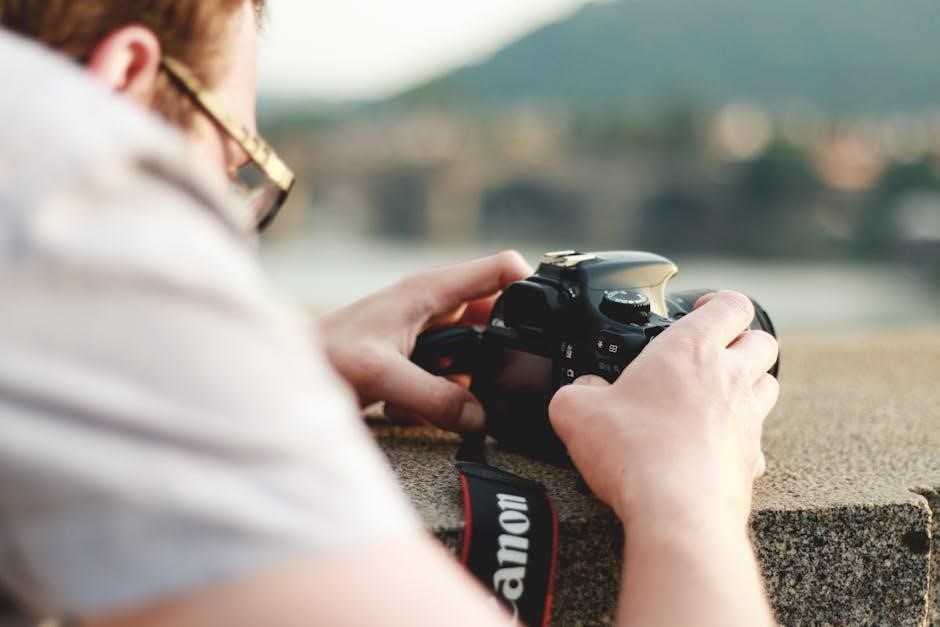
Exposure Control
Mastering aperture‚ shutter speed‚ and ISO is crucial for achieving well-exposed images with the Canon 80D․ Understanding these settings unlocks creative control․
Aperture‚ Shutter Speed‚ and ISO
Aperture controls the lens opening‚ influencing depth of field – a wider aperture (lower f-number) creates shallow depth‚ blurring backgrounds‚ while a narrower aperture (higher f-number) keeps more in focus․ Shutter speed determines how long the sensor is exposed to light; faster speeds freeze motion‚ slower speeds allow more light but can cause blur․ ISO measures the sensor’s sensitivity to light; lower ISOs produce cleaner images‚ higher ISOs are useful in low light but introduce noise․ Balancing these three elements is key to proper exposure‚ allowing you to creatively control your images and adapt to various shooting conditions with the Canon 80D․
Exposure Compensation
Exposure compensation allows you to fine-tune the brightness of your images‚ overriding the camera’s automatic metering system․ When the camera underestimates light‚ use positive compensation (+EV) to brighten the image; conversely‚ use negative compensation (-EV) when the camera overestimates light‚ darkening the image․ This is particularly useful in challenging lighting situations like snow scenes or backlit subjects․ The Canon 80D’s exposure compensation scale typically ranges from -3 to +3 stops‚ providing precise control over your final exposure‚ ensuring accurate and visually appealing results․
Metering Modes (Evaluative‚ Partial‚ Spot‚ Center-Weighted Average)
The Canon 80D offers four distinct metering modes to analyze light and determine optimal exposure․ Evaluative metering assesses the entire scene for balanced exposure․ Partial metering focuses on approximately 6․5% of the frame‚ ideal for contrasty scenes․ Spot metering measures light from a very small area (2․8%)‚ perfect for precise readings on specific subjects․ Finally‚ Center-weighted average metering prioritizes the center of the frame while considering the surrounding areas․ Understanding these modes allows for tailored exposure control in diverse photographic scenarios․
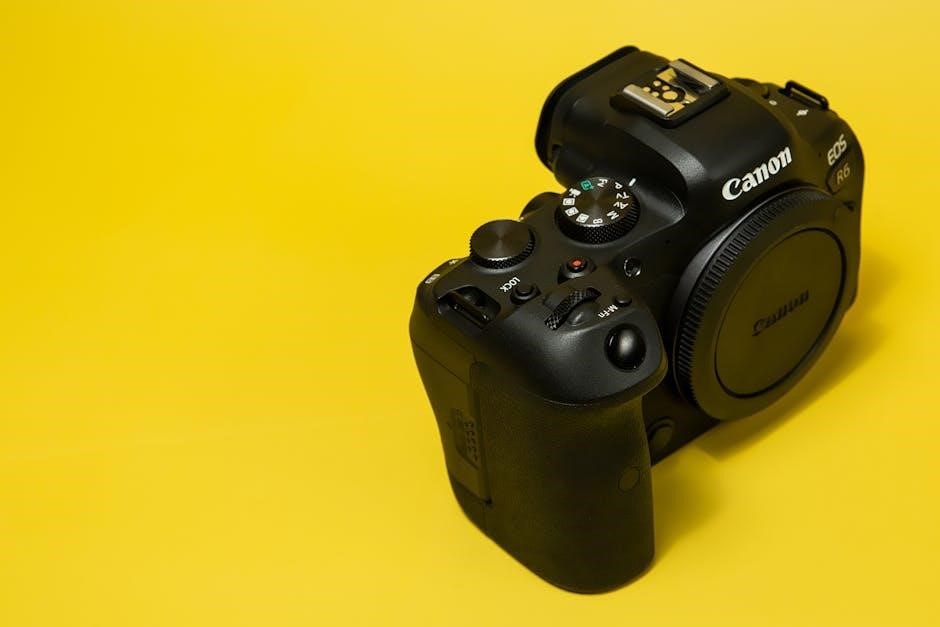
Working with Lenses
The Canon 80D supports Canon EF and EF-S lenses‚ offering a wide range of options for various photographic needs and creative expression․
Canon EF and EF-S Lenses
Canon’s EF and EF-S lens mounts are integral to the 80D’s functionality․ EF lenses are full-frame compatible‚ offering a larger image circle and versatility across Canon’s DSLR range․ EF-S lenses‚ designed specifically for APS-C sensors like the 80D’s‚ are generally lighter and more affordable․
Understanding the difference is crucial for optimal image quality and compatibility․ While you can use EF lenses on the 80D‚ they’ll have a 1․6x crop factor․ Choosing the right lens depends on your photographic style and budget‚ with Canon offering a vast selection to suit every need․
Lens Compatibility and Recommendations
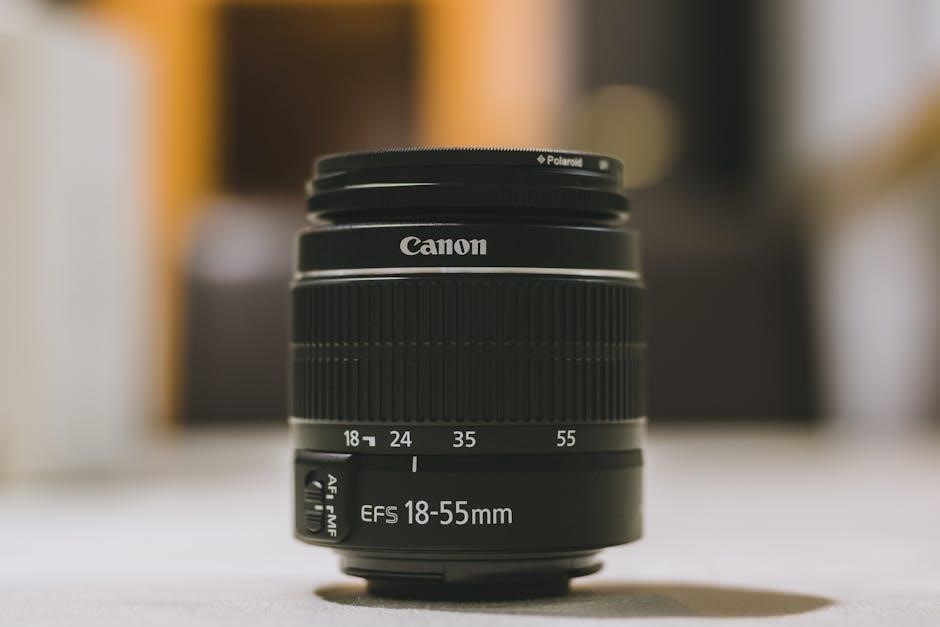
The Canon 80D utilizes the EF/EF-S lens mount‚ ensuring broad compatibility with Canon’s extensive lens lineup․ For general photography‚ the EF-S 18-55mm kit lens is a solid starting point․ Portrait photographers might consider the EF 50mm f/1․8 STM for its excellent bokeh and affordability․
For action and wildlife‚ a telephoto zoom like the EF 70-300mm f/4-5․6 IS USM is recommended․ Remember to check for lens features like Image Stabilization (IS) for sharper handheld shots․ Third-party lenses from Sigma and Tamron are also compatible‚ expanding your options further․
Image Stabilization (IS)
Canon’s Image Stabilization (IS) technology significantly reduces camera shake‚ enabling sharper images and smoother video‚ especially in low light or when using longer focal length lenses․ The 80D benefits from IS built into both compatible lenses and the camera body itself – a 5-axis system․
This dual IS system works synergistically‚ providing up to four stops of shake correction․ Experiment with IS modes; panning mode allows for smooth tracking of moving subjects․ Remember IS consumes battery power‚ so disable it when using a tripod for optimal results and battery life․
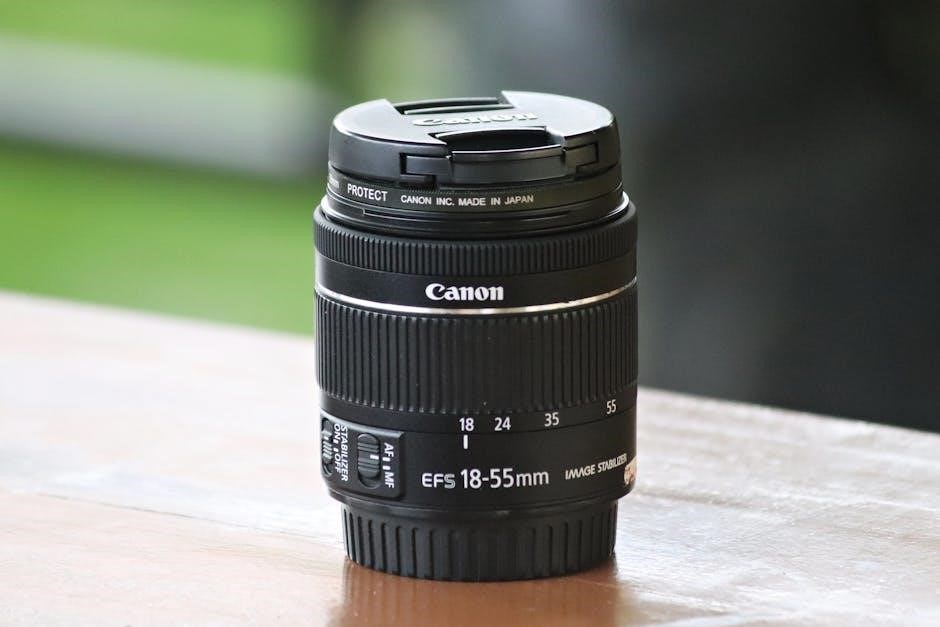
Video Recording Features
The Canon 80D excels in video‚ offering Full HD 1080p recording at up to 60fps‚ alongside manual controls for exposure and audio adjustments․
Video Resolution and Frame Rates
The Canon 80D provides a robust set of video recording options‚ catering to diverse filmmaking needs․ It supports Full HD 1080p video recording at various frame rates‚ including 24fps for a cinematic look‚ 30fps for standard video‚ and 60fps for smooth slow-motion effects․
While it doesn’t offer 4K recording‚ the 1080p quality is excellent․ The camera allows for internal recording directly to SD cards‚ simplifying the workflow․ Different frame rates impact file size and motion clarity‚ so selecting the appropriate setting is crucial for your project’s aesthetic and post-production requirements․
Audio Recording Options
The Canon 80D offers several options for capturing high-quality audio alongside your video footage․ It features a built-in stereo microphone‚ suitable for basic recording needs‚ but external microphones are highly recommended for professional results․
A 3․5mm microphone input allows connection of external mics like shotgun or lavalier microphones․ Manual audio level control is available‚ enabling precise adjustment to prevent clipping or excessively low volume․ Monitoring audio levels via headphones during recording is crucial for ensuring optimal sound quality throughout your projects․
Manual Video Settings
The Canon 80D provides extensive manual control over video settings‚ empowering creative filmmakers․ You can adjust aperture‚ shutter speed‚ and ISO independently for precise exposure control․ Full manual focus is available‚ alongside features like peaking to aid critical sharpness․
Frame rates are selectable‚ including options for slow-motion effects․ Color profiles can be customized‚ and you have control over audio levels․ These settings allow for a tailored look and professional-grade video production‚ exceeding the capabilities of automatic modes․
Advanced Features
The Canon 80D boasts Dual Pixel CMOS AF for smooth focusing‚ creative filters for artistic expression‚ and seamless Wi-Fi/NFC connectivity for easy sharing․
Dual Pixel CMOS AF
Canon’s Dual Pixel CMOS AF is a groundbreaking technology integrated into the 80D‚ delivering exceptionally smooth and accurate autofocus performance during both still photography and video recording․ Unlike traditional autofocus systems‚ Dual Pixel CMOS AF utilizes almost all of the image sensor’s pixels for phase-detection autofocus․ This results in faster‚ more reliable focusing‚ especially when tracking moving subjects․
It significantly enhances Live View and video autofocus‚ providing a near-instantaneous response and a natural‚ cinematic look․ The system offers customizable tracking sensitivity and AF speed‚ allowing users to fine-tune performance to suit their specific shooting needs․ This feature truly elevates the Canon 80D’s capabilities․
Creative Filters
The Canon 80D offers a range of Creative Filters to quickly and easily add artistic effects to your photos directly within the camera․ These filters provide a convenient way to experiment with different looks without needing post-processing software․ Options include ‘Grain‚’ ‘Soft Focus‚’ ‘Toy Camera‚’ ‘Miniature Effect‚’ ‘Fisheye‚’ and more‚ each altering the image’s appearance in unique ways․
Applying these filters is straightforward – simply select the desired effect from the camera’s menu and capture the image․ While offering creative flexibility‚ remember these filters are applied during capture and cannot be undone later‚ so preview carefully!
Wi-Fi and NFC Connectivity
The Canon 80D incorporates built-in Wi-Fi and NFC (Near Field Communication) capabilities‚ simplifying image and video transfer to compatible smartphones and tablets․ Using the Canon Camera Connect app (available for iOS and Android)‚ you can remotely control the camera‚ browse and download files‚ and even share them directly to social media platforms․
NFC allows for instant connection by simply tapping your device to the camera․ Wi-Fi offers a more robust connection for larger file transfers or remote shooting․ This connectivity streamlines your workflow‚ enabling quick sharing and convenient control․
Troubleshooting Common Issues
This section addresses frequent problems like focusing errors‚ exposure inconsistencies‚ and connectivity difficulties‚ offering solutions to get you back on track quickly․
Focusing Problems
Experiencing blurry images? Several factors can cause focusing issues with your Canon 80D․ First‚ ensure you’ve selected the appropriate autofocus (AF) mode for your subject – One Shot for static subjects and AI Servo for moving ones․ Verify your focus points are correctly positioned over the intended area․
If using manual focus‚ double-check the focus ring adjustment and consider using Live View with magnification for precise control․ Lens cleanliness is crucial; smudges can hinder autofocus performance․ Finally‚ insufficient light can challenge the AF system‚ so consider using an external flash or increasing ISO․
Exposure Issues
Are your photos too dark or too bright? Incorrect exposure often stems from improper aperture‚ shutter speed‚ or ISO settings․ Review the exposure triangle – adjusting one impacts the others․ Utilize the Canon 80D’s metering modes (Evaluative‚ Partial‚ Spot‚ Center-Weighted Average) to suit the scene․
Employ exposure compensation to fine-tune brightness․ Check your histogram to assess tonal distribution and avoid clipping highlights or shadows․ Remember that reflective surfaces or strong backlighting can mislead the meter‚ requiring manual adjustments for accurate results․
Connectivity Problems
Experiencing issues with Wi-Fi or NFC? Ensure the Canon 80D’s Wi-Fi is enabled in the menu and the correct network is selected; Verify your smartphone or tablet meets system requirements for the Canon Camera Connect app․ For NFC‚ enable it on both devices and bring them close together․
Restart both the camera and your mobile device․ Check for firmware updates for both the camera and the app․ If problems persist‚ try forgetting the network and reconnecting‚ or reinstalling the Camera Connect application․
Maintenance and Care
Regular cleaning and proper storage are vital for longevity․ Protect your Canon 80D from dust‚ moisture‚ and extreme temperatures for optimal performance․
Cleaning the Sensor
Dust accumulation on the image sensor is inevitable‚ potentially causing dark spots in your photos․ The Canon 80D has a built-in sensor cleaning function; utilize this regularly․ For persistent dust‚ manual cleaning is necessary‚ but proceed with extreme caution! Use a dedicated sensor cleaning kit – blower‚ swabs‚ and cleaning solution – specifically designed for DSLR sensors․
Never touch the sensor directly! Follow the kit’s instructions meticulously․ Improper cleaning can damage the delicate sensor․ If uncomfortable performing this yourself‚ seek professional cleaning services․ Regular preventative measures‚ like lens changes in clean environments‚ minimize the need for frequent sensor cleaning․
Battery Care
To maximize the lifespan of your Canon 80D’s battery (LP-E6N)‚ follow these guidelines․ Avoid completely discharging the battery; instead‚ charge it when it indicates low power․ Store the battery in a cool‚ dry place‚ away from extreme temperatures․ Do not leave a fully charged battery unused for extended periods‚ as this can degrade its capacity․
Use only Canon-approved chargers․ Avoid short-circuiting the battery terminals․ If the battery is damaged‚ discontinue use immediately and dispose of it properly according to local regulations․ Regularly cycling the battery (charging and discharging) helps maintain its performance․
Firmware Updates
Keeping your Canon 80D’s firmware updated is crucial for optimal performance and compatibility․ Canon periodically releases firmware updates to address bugs‚ improve functionality‚ and add new features․ Visit the Canon website to check for the latest version specifically for your camera model․
Download the update and follow the instructions carefully․ Typically‚ this involves transferring the firmware file to a memory card and then executing the update through the camera’s menu․ Ensure the battery is fully charged and do not interrupt the process to avoid damaging the camera․