
Savvy Vape Battery Instructions: A Comprehensive Guide
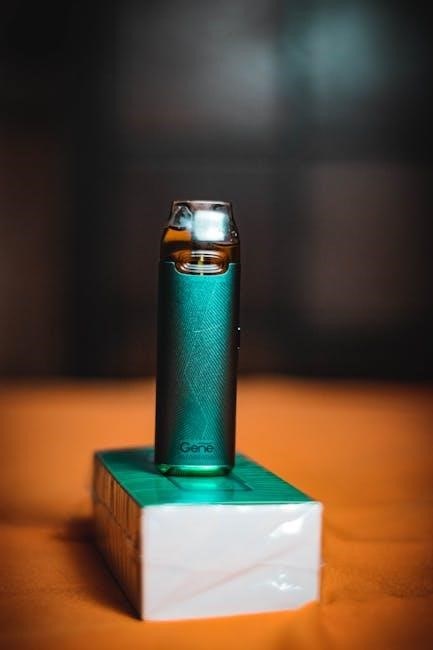
Navigating the world of vape batteries requires diligence; concealed 510 batteries are vital for discreet vaping, demanding proper handling and awareness of potential risks.
Understanding Savvy Vape Batteries
Savvy Vape batteries are the power source for your vaping experience, and understanding their nuances is crucial for both performance and safety. These batteries, often utilizing a 510 thread connection, are designed to provide consistent power to your cartridges. They come in varying capacities, typically measured in milliampere-hours (mAh), which dictates how long the battery will last before needing a recharge.
It’s important to recognize that not all batteries are created equal; quality significantly impacts reliability and safety. Inferior accumulators pose risks, highlighting the need for informed choices. Furthermore, the concealed design of many Savvy Vape batteries, like the 510 vape battery, emphasizes discretion but also requires careful attention to charging and usage guidelines. Knowing your battery’s specifications – voltage range, capacity, and compatible cartridge types – is the first step towards a satisfying and secure vaping session.
Battery Types Compatible with Savvy Vape Carts
Savvy Vape carts generally utilize batteries with a standard 510 thread connection, offering broad compatibility. However, understanding the different battery types is essential. Variable voltage batteries are popular, allowing users to adjust the power output for customized flavor and vapor production. These are ideal for thicker oils requiring preheating.
Buttonless batteries, known for their simplicity and discreet profile, are also frequently used. These activate upon drawing, offering a streamlined experience. It’s crucial to avoid batteries with magnetic adapters, as these can lead to overheating and potential hazards. When selecting a battery, prioritize those specifically designed for vape cartridges and ensure they align with the voltage and current requirements of your Savvy Vape cart. Always verify compatibility before use to prevent damage or safety concerns.
Voltage and Ohm Compatibility
Understanding voltage and Ohm compatibility is paramount for a safe and enjoyable vaping experience with Savvy Vape carts. Most Savvy carts function optimally within a voltage range of 3.7V to 4.2V. Lower voltages provide milder vapor and flavor, while higher voltages deliver a more intense experience. However, exceeding the cart’s voltage limit can degrade the oil and affect performance.
Ohm’s Law dictates the relationship between voltage, current, and resistance. Savvy Vape carts typically have a resistance between 1.0 and 2.0 Ohms. Using a battery that doesn’t match the cart’s resistance can lead to issues like weak vapor, burnt taste, or even battery malfunction. Always check the cart’s specifications and choose a battery with adjustable voltage settings to fine-tune your vaping experience. Ignoring these factors can result in inferior performance and potential safety risks.
Recognizing Authentic Savvy Vape Batteries
Counterfeit vape batteries are a significant concern, posing serious safety risks. Authentic Savvy Vape batteries feature distinct markings, including a clearly visible Savvy logo, batch codes, and safety certifications. Examine the packaging for any signs of tampering or poor print quality – genuine products have crisp, professional packaging.
Inspect the battery’s physical appearance; authentic batteries have a consistent finish and precise threading. Beware of batteries with misaligned markings, dents, or a cheap plastic feel. Purchase batteries only from authorized retailers to guarantee authenticity. Avoid suspiciously low prices, as these often indicate counterfeit products. Using a fake battery can lead to malfunctions, overheating, and even explosions, so verifying authenticity is crucial for your safety and a reliable vaping experience.

Safe Handling and Charging Practices
Prioritize safety with mindful battery care; avoid extreme temperatures, water submersion, and always utilize the correct charging cable for optimal performance and longevity.
Proper Charging Techniques
Employing correct charging methods is paramount for Savvy Vape battery health and user safety. Always disconnect the battery from the vape cartridge before initiating the charging process. Utilize a dedicated vape battery charger, avoiding standard USB ports whenever possible, as they often deliver insufficient power or inconsistent voltage. Monitor the battery during charging; never leave it unattended, especially overnight.
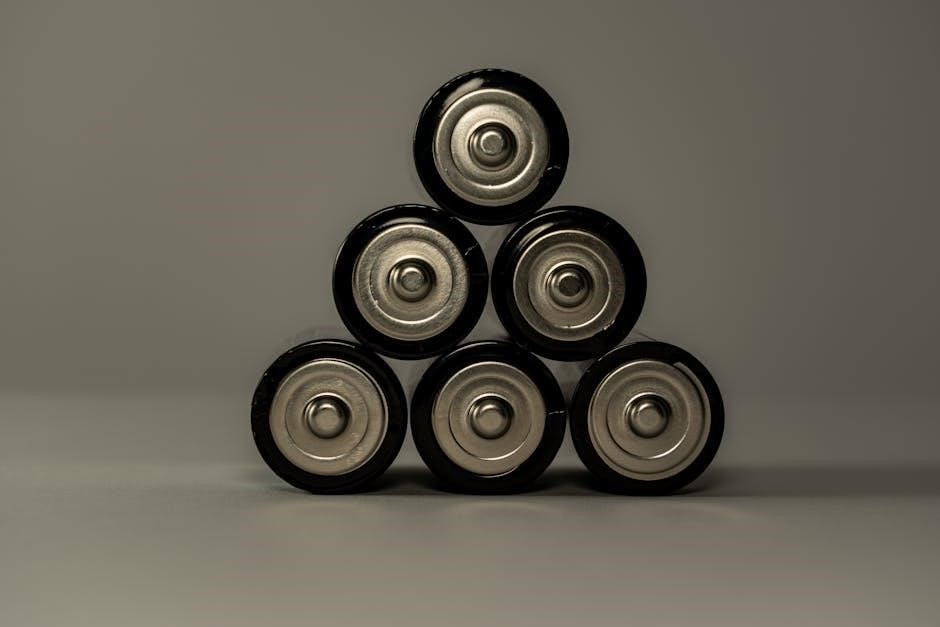
Observe the battery indicator lights – most chargers signal when charging is complete. Once fully charged, promptly disconnect the battery to prevent overcharging. Avoid fast charging unless specifically supported by your battery and charger combination, as it can generate excessive heat. Regularly inspect the charging port and cable for any signs of damage, such as fraying or bent pins. A damaged charger poses a significant safety risk. Remember, consistent and careful charging practices extend battery lifespan and minimize potential hazards.
Recommended Chargers for Savvy Vape Batteries
Selecting a compatible charger is crucial for optimal Savvy Vape battery performance and longevity. While universal USB chargers may seem convenient, dedicated vape battery chargers are highly recommended due to their regulated output and safety features. Look for chargers specifically designed for lithium-ion batteries, commonly used in vape pens. Brands like Oumij, and others specializing in vape accessories, offer reliable options.

Consider chargers with overcharge protection and short-circuit prevention. Dual or multi-bay chargers are ideal for users with multiple batteries, allowing simultaneous charging. Avoid chargers lacking safety certifications or those with questionable build quality. Prioritize chargers that display individual battery status indicators, providing real-time charging progress. Remember to always verify the charger’s voltage compatibility with your specific Savvy Vape battery model. Using the correct charger ensures safe and efficient power delivery, maximizing battery life and minimizing risks.
Avoiding Overcharging and Undercharging
Maintaining optimal battery health hinges on preventing both overcharging and undercharging. Leaving a Savvy Vape battery connected to a charger beyond its full capacity can lead to overheating, reduced lifespan, and potential safety hazards. Conversely, consistently allowing the battery to drain completely before recharging can also degrade its performance and shorten its overall life.
Utilize chargers with automatic shut-off features, which discontinue power delivery once the battery reaches full charge. Regularly monitor the charging process and disconnect the battery promptly. Ideally, aim to recharge when the battery reaches around 20-30% capacity. Avoid storing fully charged or fully discharged batteries for extended periods. Proper charging habits, combined with a quality charger, are essential for ensuring the longevity and safe operation of your Savvy Vape batteries, mitigating risks and maximizing enjoyment.
Temperature Considerations During Charging
Maintaining a moderate temperature during charging is paramount for Savvy Vape battery safety and performance. Exposing batteries to extreme heat or cold can significantly compromise their internal chemistry, leading to reduced capacity, instability, and even potential thermal runaway – a dangerous situation involving overheating and possible fire.
Always charge batteries in a well-ventilated area, away from direct sunlight, heat sources (like radiators), and flammable materials. Avoid charging in vehicles during hot weather or leaving batteries in freezing temperatures. The ideal charging temperature range is typically between 20°C and 25°C (68°F and 77°F). If a battery feels unusually warm during charging, immediately disconnect it and allow it to cool down before further use. Prioritizing temperature control is a crucial step in responsible Savvy Vape battery ownership.
Using Savvy Vape Batteries with Cartridges
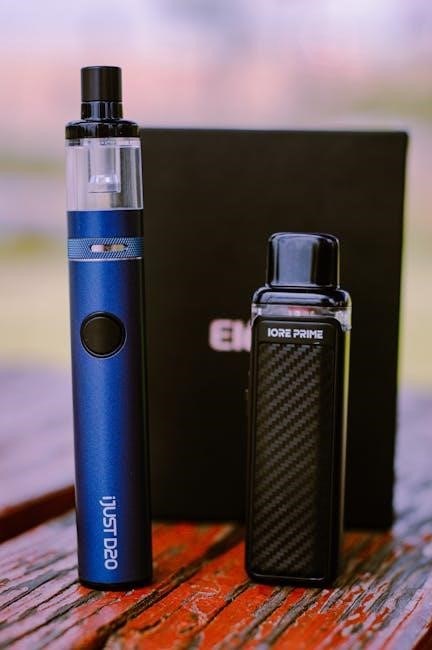
Proper cartridge attachment and voltage adjustment are key; preheating thick oils ensures optimal flavor, while troubleshooting connection issues maintains a seamless vaping experience.
Attaching the Cartridge Correctly
Ensuring a secure and proper connection between your Savvy Vape battery and cartridge is paramount for a satisfying and safe vaping experience. Begin by visually inspecting both the battery’s 510 thread and the cartridge’s corresponding connector for any damage or debris. A damaged thread can lead to an incomplete connection and potential leakage. Gently clean both areas with a soft, dry cloth if necessary.
Next, carefully align the cartridge’s 510 thread with the battery’s connector. Avoid forcing the connection; instead, slowly and steadily screw the cartridge onto the battery in a clockwise direction. Continue tightening until the connection feels snug and secure, but do not overtighten, as this could damage the threads. A properly attached cartridge should sit flush against the battery without wobbling or feeling loose.
It’s crucial to avoid cross-threading, which can permanently damage the battery or cartridge. If you encounter resistance during the screwing process, stop immediately, back off, and realign the threads before attempting again. A secure connection is vital for optimal vapor production and preventing oil leakage, contributing to a cleaner and more enjoyable vaping session.
Adjusting Voltage Settings for Optimal Flavor
Fine-tuning the voltage on your Savvy Vape battery is key to unlocking the full flavor potential of your chosen cartridge. Lower voltage settings generally preserve delicate terpene profiles, resulting in a more nuanced and flavorful experience. Conversely, higher voltage settings produce larger vapor clouds but can sometimes diminish subtle flavors.
Begin with the lowest voltage setting and take a few small puffs, gradually increasing the voltage in small increments. Pay close attention to the taste and vapor production with each adjustment. You’ll notice a sweet spot where the flavor is most pronounced and the vapor is satisfying. Avoid excessively high voltages, as this can lead to a burnt taste and potentially damage the cartridge or battery.
Different cartridges and oil viscosities may require different voltage settings. Thicker oils often benefit from slightly higher voltages to ensure proper vaporization. Experimentation is encouraged to discover your personal preference and optimize the flavor for each specific cartridge. Remember, finding the right voltage is a balance between flavor, vapor production, and battery efficiency.
Preheating Procedures for Thick Oils
Thick oils can sometimes be challenging to vaporize effectively, especially at lower temperatures. Preheating helps to thin the oil and ensure consistent vaporization, leading to a smoother and more flavorful experience. Savvy Vape batteries often feature a preheat function, typically activated by rapidly pressing the power button five times.
When preheating, start with short bursts – 1-2 seconds – to avoid overheating the oil. Observe the cartridge closely; you should see a slight change in the oil’s consistency. Repeat the preheating process a few times if necessary, but avoid prolonged preheating, as this can degrade the oil’s quality.
If your battery lacks a dedicated preheat function, you can achieve a similar effect by taking a few quick, short puffs without inhaling. This gently warms the oil, making it easier to vaporize. Remember to adjust your voltage settings after preheating to find the optimal balance for flavor and vapor production. Proper preheating is crucial for maximizing the performance of thick oil cartridges.
Troubleshooting Cartridge Connection Issues
Experiencing connection problems between your cartridge and Savvy Vape battery can be frustrating. First, ensure the 510 thread on both the battery and cartridge is clean and free of debris. A quick wipe with a cotton swab dipped in isopropyl alcohol can resolve many issues.
Next, carefully screw the cartridge onto the battery, applying gentle but firm pressure. Avoid over-tightening, as this can damage the threads; If the connection still isn’t secure, try a different cartridge to rule out a faulty cartridge. Inspect the battery’s 510 pin for any bends or damage; a bent pin will prevent a solid connection.
Avoid using magnetic adapters, as they can create inconsistent connections and potentially lead to overheating. If problems persist, a different battery might be necessary. A secure connection is vital for safe and optimal vaping.

Battery Safety Precautions
Prioritize safety with Savvy Vape batteries; damaged batteries pose risks, magnetic adapters are discouraged, short circuits must be avoided, and proper storage is crucial.
Risks of Using Damaged Batteries
Employing damaged Savvy Vape batteries introduces substantial hazards that demand immediate attention and preventative measures. Compromised battery casings, whether dented, cracked, or exhibiting any form of physical deterioration, significantly increase the likelihood of short circuits. These short circuits can generate excessive heat, potentially leading to thermal runaway – a dangerous chain reaction resulting in fire or even explosion.
Internal damage, often invisible to the naked eye, is equally concerning. Dropping a battery, even from a short height, can cause internal components to shift or rupture, creating internal short circuits. Leaking battery fluids are a clear indicator of internal compromise and pose a chemical burn risk upon skin contact. Furthermore, damaged batteries often exhibit inconsistent voltage output, leading to unpredictable device performance and potentially harmful vapor production.
Never attempt to repair a damaged battery; immediate replacement is the only safe course of action. Discarding damaged batteries responsibly, through designated recycling programs, is crucial to prevent environmental contamination and further safety risks.
Avoiding Magnetic Adapters
The use of magnetic adapters with Savvy Vape batteries is strongly discouraged due to inherent safety concerns. While seemingly convenient, these adapters introduce a significant risk of creating an unstable connection, leading to intermittent power delivery and potential overheating. The magnetic connection itself can be disrupted easily, causing the battery to disconnect unexpectedly during use.
More critically, magnetic adapters can contribute to “burning wayyy too high,” as cautioned by experienced users, resulting in excessively high temperatures and the production of harmful byproducts. This increased heat stresses the battery and cartridge, accelerating degradation and increasing the risk of malfunction. The inconsistent contact also elevates the chance of arcing, a dangerous electrical discharge that can ignite flammable materials;
Prioritize a direct, secure connection between the battery and cartridge for optimal safety and performance. Avoid adapters altogether to mitigate these risks and ensure a reliable vaping experience. A stable connection is paramount for responsible vaping.
Protecting Against Short Circuits
Safeguarding against short circuits is crucial when using Savvy Vape batteries, as they pose a significant fire hazard. A short circuit occurs when electricity bypasses the intended circuit, creating an uncontrolled flow of current. This can happen due to damaged batteries, loose connections, or metallic objects bridging the battery terminals.
Damaged batteries, even with minor cosmetic flaws, are particularly susceptible to short circuits and should never be used. Always inspect your battery for dents, cracks, or exposed wiring before each use. Avoid carrying loose batteries in pockets or bags where they can come into contact with keys, coins, or other conductive materials.
Ensure the battery terminals are clean and free of debris. If a battery gets wet, immediately discontinue use and allow it to dry completely before attempting to recharge or use it. Recognizing the risks and taking preventative measures are essential for safe operation and preventing potentially dangerous situations.
Safe Storage of Batteries
Proper storage significantly extends the lifespan and safety of your Savvy Vape batteries. When not in use, store batteries in a cool, dry place away from direct sunlight and extreme temperatures. Avoid leaving batteries in vehicles, especially during hot or cold weather, as this can degrade their performance and increase the risk of damage.
Ideally, store batteries in a dedicated, non-conductive case or container. This prevents accidental short circuits caused by contact with metallic objects. It’s best to keep batteries at around 40-60% charge during long-term storage to maintain optimal health. Regularly check stored batteries for any signs of corrosion or damage.

Never store damaged or leaking batteries with functional ones. Dispose of faulty batteries immediately following proper disposal guidelines. Consistent adherence to these storage practices ensures battery longevity and minimizes potential hazards, contributing to a safer vaping experience.

Common Mistakes to Avoid
Ignoring warnings, using incorrect capacities, and exposing batteries to extremes are frequent errors. Submerging batteries in water also poses significant risks to device functionality.
Using Incorrect Battery Capacity
Selecting the appropriate battery capacity is paramount for optimal performance and safety with Savvy Vape cartridges. Mismatched capacities can lead to a range of issues, from diminished vapor production to potential hazards. Utilizing a battery with insufficient capacity may result in a weak, unsatisfying vaping experience, requiring frequent recharging. Conversely, employing a battery exceeding the cartridge’s recommended capacity can cause overheating or even damage to the device.
Savvy Vape cartridges are designed to function best within a specific voltage and wattage range, directly correlated to battery capacity. Always consult the cartridge’s specifications or the manufacturer’s guidelines to determine the ideal battery capacity. Prioritize batteries specifically designed for vape use, as they incorporate safety features like overcharge and short-circuit protection. Avoid using batteries intended for other applications, as they may lack these crucial safeguards. Remember, a properly matched battery capacity ensures a consistent, flavorful, and safe vaping session.
Exposure to Extreme Temperatures
Savvy Vape batteries, like all lithium-ion batteries, are highly sensitive to temperature fluctuations. Exposing them to extreme heat or cold can severely compromise their performance, lifespan, and, most importantly, safety. High temperatures accelerate the battery’s internal chemical reactions, potentially leading to thermal runaway – a dangerous condition characterized by overheating and possible fire or explosion.
Conversely, freezing temperatures can reduce battery capacity and efficiency, resulting in shorter runtimes and unreliable operation. Never leave your Savvy Vape battery or device in direct sunlight, a hot car, or near heat sources. Similarly, avoid prolonged exposure to frigid conditions. Ideal storage and usage temperatures typically range between 20°F and 86°F (-7°C and 30°C). Always allow the battery to return to room temperature before charging or using it. Protecting your battery from temperature extremes is a fundamental aspect of responsible vaping.
Submerging Batteries in Water
Water and lithium-ion batteries, like those used in Savvy Vape devices, are a dangerous combination. Submerging a battery in water, or even exposing it to significant moisture, can cause irreversible damage and create a serious safety hazard. Water initiates corrosion within the battery cells, leading to short circuits and potential thermal runaway – a rapid, uncontrolled increase in temperature that can result in fire or explosion.
Even if the battery doesn’t immediately exhibit visible signs of damage, internal corrosion can continue to develop over time, compromising its performance and reliability. Avoid using your Savvy Vape device in humid environments or near water sources. If a battery does get wet, do not attempt to charge or use it. Instead, carefully dispose of it at a designated battery recycling facility. Protecting your Savvy Vape battery from water damage is crucial for safe and consistent operation.
Ignoring Battery Warnings
Savvy Vape batteries, like all lithium-ion power sources, come with inherent risks if misused. Disregarding warning signs – whether visible damage, unusual heat, or performance issues – can lead to dangerous consequences. Ignoring a swollen or dented battery is particularly perilous, as it indicates internal instability and a heightened risk of rupture or explosion. Similarly, dismissing a battery that’s overheating during charging or use is a critical error.
Always heed any unusual smells or sounds emanating from the battery or device. These could signal a developing problem. Promptly discontinue use and safely dispose of the battery if you observe any of these warning signs. Prioritizing safety and responding to these indicators is paramount. Ignoring these crucial alerts can compromise your well-being and potentially cause significant harm. Remember, a cautious approach is always best when dealing with vape batteries.

Battery Disposal and Recycling
Responsible disposal is crucial; seek designated recycling programs for vape batteries to minimize environmental impact and adhere to legal regulations regarding lithium-ion waste.
Proper Disposal Methods
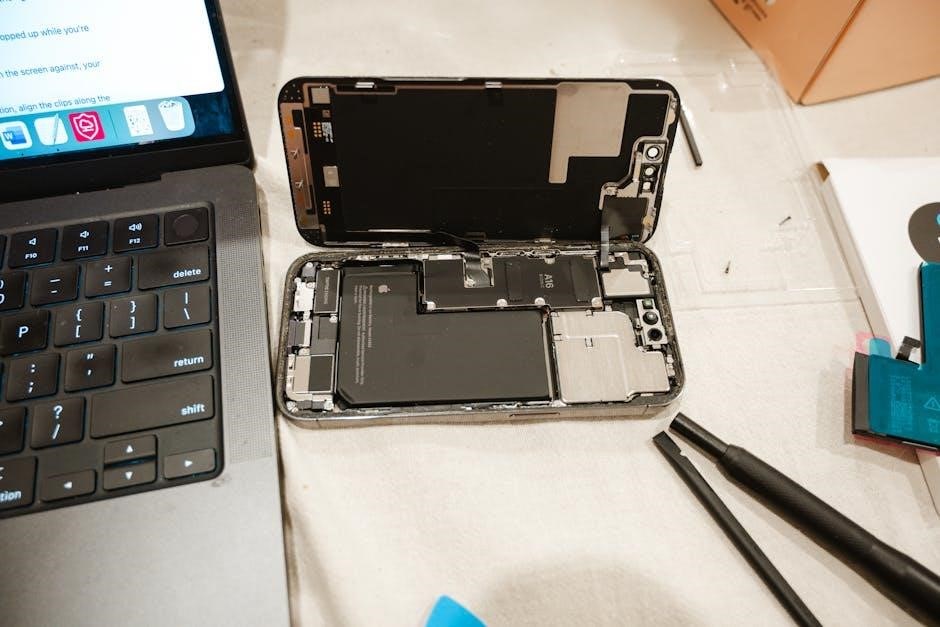
Discarding Savvy Vape batteries requires careful attention to safety and environmental responsibility. Never simply throw batteries into household trash or regular recycling bins, as this poses significant fire hazards and environmental risks due to the lithium-ion content. Instead, prioritize locating designated battery recycling facilities in your area. Many vape shops and electronic stores now offer battery recycling programs, providing a convenient and safe disposal option.
Alternatively, check with your local waste management authorities for specific guidelines on hazardous waste disposal. Some municipalities host periodic collection events for batteries and other electronic waste. Before disposal, it’s advisable to cover the battery terminals with non-conductive tape – such as electrical tape – to prevent short circuits during storage and transportation. This simple precaution significantly reduces the risk of fire. Remember, proper disposal protects both people and the planet.
Recycling Programs for Vape Batteries
Fortunately, numerous recycling programs are emerging to address the growing concern of vape battery waste. Call2Recycle is a prominent organization offering drop-off locations across the US and Canada, accepting various battery types, including those found in vape devices. Many local vape shops actively participate in these programs, providing a convenient option for customers. Check with your preferred retailer to see if they offer a battery recycling service.
Earth911 provides a comprehensive online directory to locate recycling centers near you, filtering by material type – in this case, lithium-ion batteries. Some municipalities also host dedicated e-waste collection events, offering a safe and responsible disposal route. Participating in these programs isn’t just environmentally conscious; it also helps recover valuable materials from the batteries, reducing the need for new resource extraction. Always ensure batteries are properly prepared for recycling, ideally with terminals taped, to prevent hazards.
Environmental Impact of Battery Disposal
Improper disposal of vape batteries poses significant environmental risks due to their lithium-ion composition. When sent to landfills, these batteries can leach harmful heavy metals and corrosive electrolytes into the soil and groundwater, contaminating ecosystems and potentially entering the food chain. Furthermore, damaged batteries can cause fires within landfills, releasing toxic fumes into the atmosphere.
The manufacturing of lithium-ion batteries also requires resource-intensive mining of materials like lithium, cobalt, and nickel, contributing to habitat destruction and energy consumption. By recycling vape batteries, we can reduce the demand for virgin materials, conserving natural resources and minimizing the environmental footprint of battery production. Responsible disposal prevents pollution, protects wildlife, and supports a circular economy, ensuring a more sustainable future for vaping and beyond. Ignoring these impacts has long-term consequences.
Legal Regulations Regarding Battery Disposal
Vape battery disposal is increasingly subject to legal regulations aimed at mitigating environmental and safety hazards. Many jurisdictions classify vape batteries as hazardous waste, prohibiting their disposal in regular trash. These regulations often mandate recycling through designated collection programs or facilities. Non-compliance can result in fines and penalties for both consumers and retailers.
Specific regulations vary by location; some states and municipalities have implemented extended producer responsibility (EPR) schemes, requiring manufacturers to finance the collection and recycling of their products, including vape batteries. It’s crucial to research and adhere to local laws regarding battery disposal. Proper handling and documentation are often required when transporting batteries for recycling. Staying informed about these evolving regulations ensures responsible disposal and avoids legal repercussions, promoting environmental stewardship within the vaping community.