

In today’s automatic-dominated automotive landscape, the BMW X3 with a manual transmission stands as a truly rare and distinctive find. This configuration offers a unique blend of SUV practicality and engaging driver control, appealing to discerning enthusiasts.
The BMW X3 with a Manual Transmission
The concept of a compact luxury SUV paired with a traditional manual gearbox might seem anachronistic to many in the modern automotive era, yet for a select period, BMW offered precisely this intriguing combination in its X3 model. This unique variant carved out a niche for enthusiasts who desired the practicality and commanding view of an SUV without sacrificing the tactile connection and direct control that only a three-pedal setup can provide. It wasn’t merely about shifting gears; it was about fostering a deeper, more intimate dialogue between driver and machine, transforming daily commutes and spirited drives alike into a more involving experience. Unlike its numerous automatic counterparts, the manual X3 stood as a testament to BMW’s occasional willingness to cater to purists, even within segments traditionally dominated by convenience-oriented features. This particular configuration represented a bold statement, merging utility with uncompromised driving dynamics, making it a compelling choice for those prioritizing an active role behind the wheel over passive automation. It truly encapsulated a driver-centric philosophy within a versatile family vehicle, a testament to a specific era of automotive design where engagement was still paramount, even in an SUV. The manual X3, therefore, wasn’t just another trim level; it was a distinct driving proposition.
A Glimpse into History
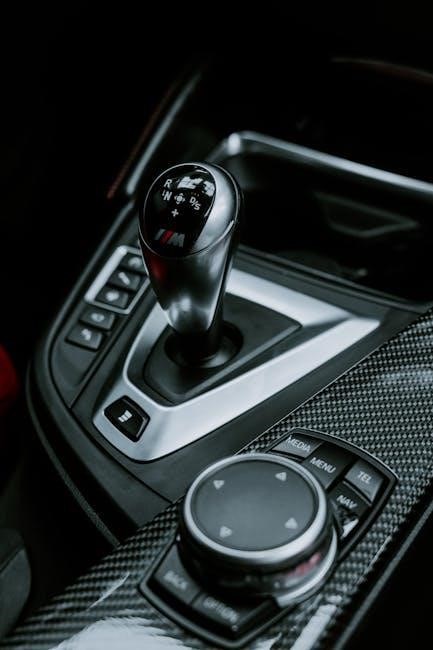
Delving into the past reveals the BMW X3’s brief but significant manual transmission era. This choice reflected a commitment to driver involvement, offering a distinct experience that diverged from the mainstream, marking a memorable chapter.
Manual X3 Generations and Availability
The manual transmission option for the BMW X3 was primarily a hallmark of its first generation, the E83, produced between 2003 and 2010. During this period, BMW offered a six-speed manual gearbox as an available choice for several inline-six petrol and diesel engine variants. This availability rendered the E83 X3 distinct in the compact SUV segment, catering to drivers desiring a more direct, engaging connection. It showcased BMW’s commitment to driver involvement across its diverse product range.
While not universally standard across all trim levels or engine configurations offered globally, the manual X3 was indeed an accessible option for those actively seeking it within the E83 lineup. Its sales volume was never comparable to its automatic counterparts, yet its mere presence underscored a dedication to enthusiasts. With the subsequent introduction of the second generation, the F25 (2010-2017), the manual transmission option began a sharp decline. It became exceedingly rare globally, practically disappearing from many markets. This shift irrevocably marked the manual X3’s transition from a niche, albeit available, offering into a truly historical footnote, severely limiting its subsequent availability for future generations.
Regional Market Offerings and Discontinuation
The manual BMW X3 experienced varied availability across global markets, reflecting diverse consumer preferences and regional regulations. European markets, particularly Germany, the UK, and other Western European nations, were most likely to offer the manual option for the first-generation E83 X3. This was largely due to a stronger historical preference for manual transmissions among European drivers. In contrast, the North American market (USA and Canada) received far fewer manual X3s, primarily limited to early E83 models, as automatics were already the dominant choice for SUVs there. Asian markets also saw minimal, if any, manual X3 offerings.
The discontinuation of the manual X3 was a gradual, region-specific process, largely driven by declining demand and the increasing efficiency and sophistication of automatic transmissions. As the E83 gave way to the F25 generation, BMW progressively phased out the manual option, initially in markets with low demand like North America, then subsequently in Europe. By the time the F25 generation was in full swing, the manual X3 had practically vanished from new car brochures worldwide. This strategic shift mirrored a broader industry trend towards automatics, signaling the end of an era for the manual X3 in virtually all regions.
The Manual Advantage: Why Choose It?
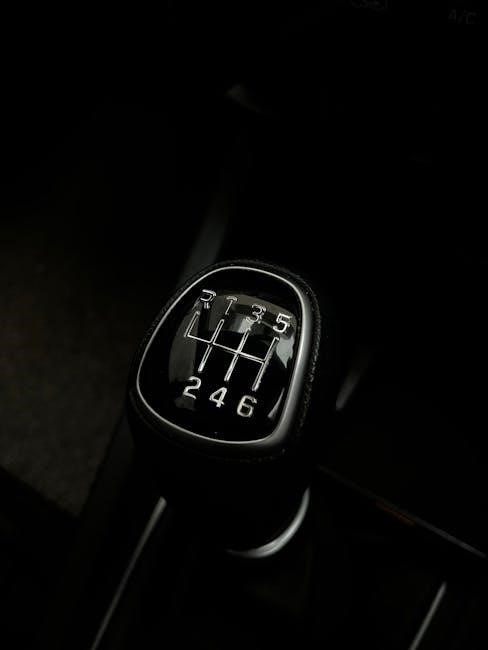
Choosing a manual BMW X3 offers a profound connection to the driving experience. It provides unparalleled control over gear selection, transforming routine commutes into engaging journeys. Enthusiasts value this direct involvement, making every drive more rewarding and interactive.
Unmatched Driver Engagement
The manual transmission in a BMW X3 elevates the driving experience to a level of engagement unmatched by its automatic counterparts. It demands and rewards the driver’s full attention, fostering a visceral connection between human and machine. Each press of the clutch pedal and every precise throw of the gear lever is a deliberate action, directly influencing the vehicle’s response and momentum. This hands-on interaction transforms mere transportation into an active, involving pursuit. Drivers feel intimately connected to the engine’s RPMs, choosing the exact moment to shift for optimal power delivery or engine braking. This constant involvement sharpens senses, making one more attuned to the road, the engine’s song, and the vehicle’s dynamic capabilities. It’s a driving style that requires skill and coordination, but the satisfaction derived from perfectly executed gear changes is immense. For those who cherish the art of driving, the manual X3 offers an immersive, interactive journey where every mile is a testament to the driver’s active participation, providing a deeply fulfilling and engaging experience that modern automatics simply cannot replicate. It’s about feeling truly in command, every single moment behind the wheel.
Precise Control and Feedback
The manual transmission in the BMW X3 provides unparalleled precise control and immediate feedback, profoundly enhancing the complete driving experience. Unlike automatic transmissions, which often filter driver input, the manual gearbox establishes a direct, unmediated mechanical link between driver actions and the vehicle’s response. This connection empowers superior command over the vehicle’s power delivery, allowing for nuanced throttle control in every driving scenario. Drivers gain freedom to select the exact gear for any situation, choosing a lower ratio for explosive acceleration from a corner, or smoothly engaging a higher gear for optimal highway fuel efficiency. Tactile feedback through the gear lever is remarkably substantial, offering clear, reassuring indication as each gear precisely slots into position. The clutch pedal delivers vital, progressive feedback on its engagement point, facilitating consistently smooth, deliberate shifts. This granular control extends to effective engine braking, allowing drivers to modulate speed proficiently without relying solely on friction brakes. In challenging or spirited driving, this detailed feedback enables highly nuanced adjustments, keenly anticipating dynamic behavior and reacting with superior agility and absolute precision, truly forging a strong connection with the road.
Performance and Practicality
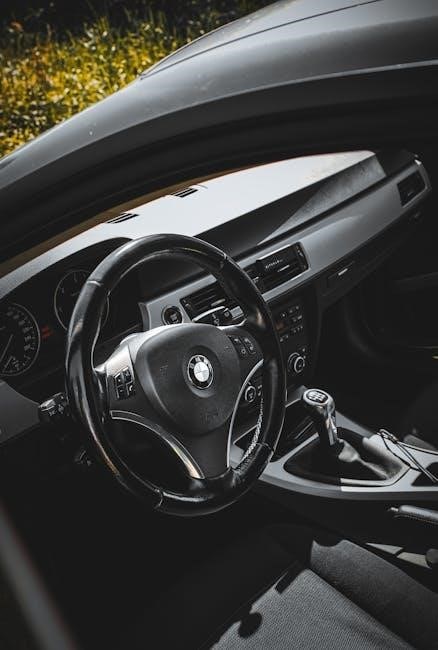
The manual X3 masterfully balances thrilling performance with everyday utility. It delivers spirited power and agile handling, while maintaining the versatility expected from an SUV. This combination creates an engaging, practical driving experience.
Engine Pairings and Power Delivery
The BMW X3 manual transmission was typically paired with specific engines, primarily the naturally aspirated inline-six units in the E83 generation, such as the 2.5i and 3.0i variants. These engines, renowned for their smooth power delivery and characteristic BMW inline-six sound, found a perfect partner in the precise manual gearbox. The driver gained direct control over the engine’s output, allowing for optimal engagement and exploitation of the power band. Later, in some early F25 models, certain four-cylinder turbocharged petrol and diesel engines were also offered with a manual, though these were significantly rarer, especially in North America. Regardless of the engine, the manual gearbox transformed the power delivery experience. It allowed the driver to precisely manage torque and horsepower, ensuring that the engine’s inherent characteristics—be it the linear pull of the N52 or the responsive boost of a turbocharged unit—were fully appreciated and utilized. This direct connection fostered a more intimate relationship between driver and machine, making every acceleration and gear change a deliberate act. The manual transmission ensured that the engine’s performance could be truly extracted, offering a level of interaction automatics, however advanced, simply could not replicate. The ability to hold gears, perfectly match revs, and orchestrate power delivery made the manual X3 a driver’s delight.

Driving Dynamics and Handling
The manual transmission profoundly transforms the BMW X3’s driving dynamics and handling, elevating the experience beyond that of its automatic counterparts. With a manual gearbox, the driver gains an unparalleled sense of direct control over the vehicle’s momentum and responsiveness. This direct engagement fosters a more intuitive connection between the driver and the road, making every journey more immersive. The ability to precisely select gears allows for better anticipation of corners and varying road conditions, enabling the driver to keep the engine in its optimal power band for immediate response. The feedback through the shifter and clutch pedal enhances the tactile experience, contributing to a more involving and sporty feel. While the X3, even in automatic form, is known for its relatively agile handling for an SUV, the manual option significantly sharpens this characteristic. It allows for more deliberate weight transfer and finer control during spirited driving, making the X3 feel more like a raised sports sedan than a utility vehicle. The driver’s input becomes a more integral part of the vehicle’s dynamic behavior, translating into a heightened sense of command and precision. This setup truly unlocks the chassis’s potential, providing a more engaging and confidence-inspiring ride for enthusiasts who prioritize driver involvement.
Fuel Efficiency Considerations
When evaluating the BMW X3 with a manual transmission, fuel efficiency presents a nuanced consideration. Historically, manual transmissions were often seen as the more economical choice due to less parasitic power loss compared to older automatic systems. However, with advancements in modern automatic gearbox technology, including more ratios and sophisticated programming, many contemporary automatics now frequently rival or even surpass manuals in terms of official EPA fuel economy ratings. For the manual X3, real-world fuel efficiency heavily depends on the driver’s shifting habits. A skilled driver can optimize gear selection to maintain efficient engine RPMs, potentially achieving commendable mileage in various driving conditions. Conversely, aggressive driving or inefficient shifting can quickly diminish any potential fuel savings. Furthermore, the specific engine paired with the manual transmission (e.g., a four-cylinder versus a six-cylinder) will have a more significant impact on overall consumption than the transmission type itself. Buyers considering a manual X3 typically prioritize driver engagement over marginal differences in fuel economy. While it may not always offer a significant advantage over its automatic counterparts in published figures, the manual’s efficiency is largely a direct function of how judiciously it is operated. Therefore, drivers who master the art of smooth and timely shifts can still enjoy respectable fuel consumption from their engaging manual X3.

Ownership: Finding and Maintaining
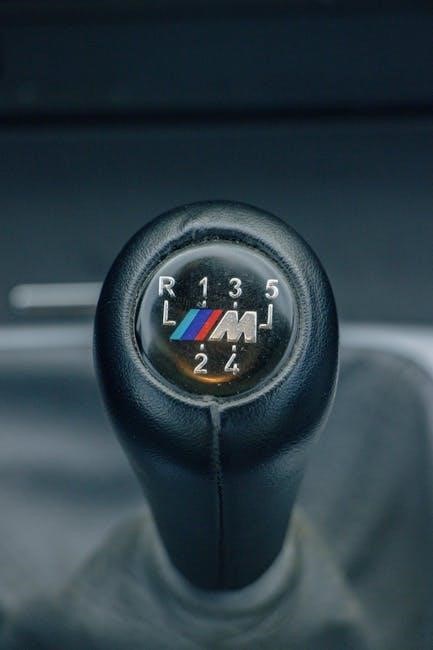
Owning a manual BMW X3 is a distinct journey, largely defined by its limited production numbers and unique care. Finding one requires diligent searching, while proper maintenance ensures its enduring performance and value for dedicated enthusiasts.
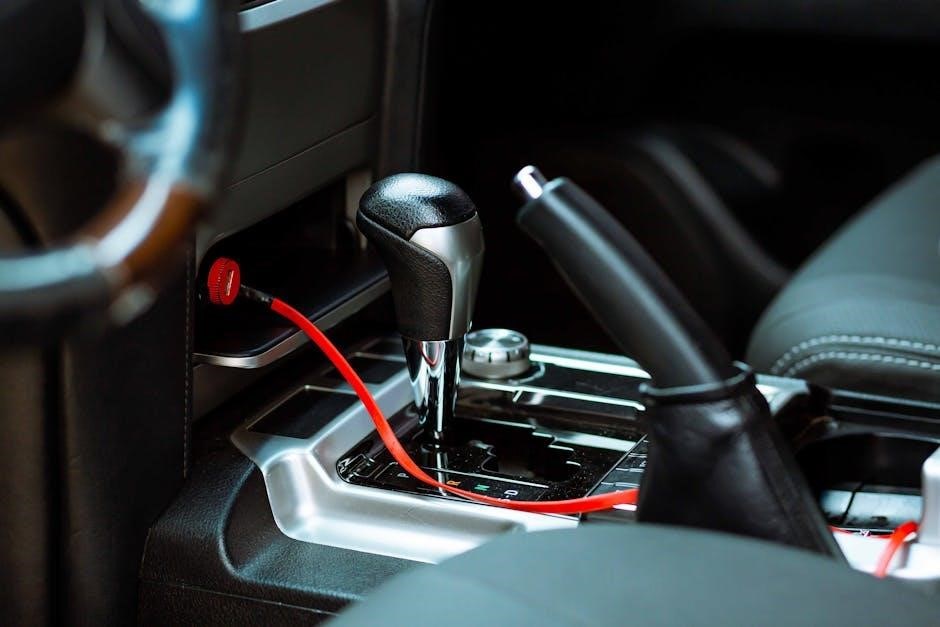
Scarcity in the Pre-Owned Market
The manual BMW X3 is an exceptionally rare find in the pre-owned market, a direct consequence of its limited production and niche appeal when new. Few buyers chose the manual gearbox over the common automatic. This scarcity means prospective owners must be prepared for a dedicated and often lengthy search. Unlike ubiquitous vehicles, a manual X3 won’t typically appear on every used car lot or mainstream online marketplace. Enthusiast forums, specialized import dealerships, and auction sites often represent the best avenues for discovery. Buyers should also be open to expanding their geographical search, as the perfect example might be hundreds or even thousands of miles away. Patience is paramount, and acting quickly once a suitable vehicle is identified is crucial, as these unique examples tend to sell rapidly to eager purists. Verifying its history and condition becomes even more critical due to its inherent rarity.
Specific Maintenance Considerations

Maintaining a manual BMW X3 necessitates specific attention to its unique components. The clutch assembly is key; its lifespan correlates directly with driving habits. Aggressive use or frequent urban stop-and-go significantly shortens its life. Owners must monitor for clutch slip, high pedal engagement, or stiff shifting, indicating potential replacement. This typically involves the flywheel, pressure plate, and throw-out bearing. While BMW often labels transmission fluid ‘lifetime,’ periodic inspection and replacement are highly recommended for older or enthusiastically driven vehicles. Fresh fluid ensures smoother operation and extends gearbox life. Given the X3’s xDrive AWD, transfer case and differential fluids also demand scheduled servicing, impacting drivetrain health. Alertness for unusual sounds or shifter resistance is crucial. Locating a skilled technician experienced with BMW manual transmissions is vital for accurate diagnostics and proper maintenance, preserving this distinctive SUV’s performance and longevity.
Value for Enthusiasts and Collectors
For a specific segment of the automotive community, the manual BMW X3 represents a highly coveted item, positioning it as a future classic. Its inherent rarity, combined with the engaging driving experience it offers, creates immense appeal. Enthusiasts appreciate the direct connection and heightened control that only a manual gearbox can provide, a stark contrast to the prevalent automatic transmissions in modern SUVs. This unique blend of BMW’s renowned chassis dynamics and a driver-centric transmission appeals strongly to purists seeking an unfiltered driving sensation. As BMW, and indeed most manufacturers, continue to phase out manual options across their lineups, these X3 variants become increasingly significant artifacts. They embody a particular era of automotive engineering where driver involvement was paramount, distinguishing them from the current market. This makes them valuable not just for their practical utility but for their contribution to the brand’s sporting legacy. Collectors recognize this rapidly diminishing breed, understanding that well-preserved examples will likely appreciate in monetary and sentimental value, becoming prized possessions for those who cherish authentic driving pleasure and tangible automotive history. Their unique character ensures lasting appeal.

A Cherished Legacy
The manual BMW X3 stands as a testament to driver involvement in a practical package. It’s a truly cherished legacy, embodying a unique automotive chapter. Its distinct appeal ensures its place in enthusiast hearts for years to come.
Recap of the Manual X3’s Appeal
The manual BMW X3’s enduring appeal stems from its exceptional blending of a profoundly engaging driving experience with practical SUV utility. It offers dedicated enthusiasts a unique and increasingly rare level of direct driver involvement, a sensation almost entirely absent in today’s automatic-dominated crossover market. Owners consistently appreciate the immediate tactile feedback and precise control provided by the three-pedal setup, which expertly transforms everyday commutes into more spirited and rewarding journeys. This physical connection to the powertrain distinctly elevates driving dynamics, making every gear change a deliberate, satisfying, and deeply personal action. Crucially, the X3 steadfastly retains all the inherent practicality expected from a premium BMW SUV, providing ample cargo space, comfortable seating, and the brand’s renowned robust build quality. It represents an intelligent and appealing compromise for discerning individuals unwilling to sacrifice genuine driving pleasure for family-friendly functionality. This rare combination of an interactive manual gearbox within a versatile SUV body creates an undeniably compelling proposition, distinguishing it significantly from its automatic counterparts and solidifying its status as a highly desirable and memorable vehicle for true driving aficionados seeking something special.
Final Recommendation for Buyers
For potential buyers considering a manual BMW X3, the recommendation is clear: if you prioritize an immersive driving experience and appreciate the diminishing art of the manual transmission, this rare SUV is unequivocally worth seeking out. Be prepared for a diligent search, as these models are scarce in the pre-owned market. Patience will be key. When you find one, thoroughly inspect its service history, paying close attention to clutch wear, gearbox fluid changes, and overall powertrain health, as these components dictate the manual experience. A pre-purchase inspection by a BMW specialist is highly advisable to uncover any underlying issues specific to manual variants. Understand that while it offers unparalleled engagement, it might command a premium due to its rarity and enthusiast appeal. This isn’t just a utilitarian purchase; it’s an investment in a unique driving philosophy. Embrace the tactile connection, the precise control, and the rewarding satisfaction of piloting a vehicle that truly connects you to the road. For those who value genuine driver involvement above all else, the manual X3 offers an experience that modern vehicles simply cannot replicate, making it an exceptional choice for the discerning enthusiast ready to commit to its distinctive character and embrace its legacy.